Investment Guide: Sudan
Summary
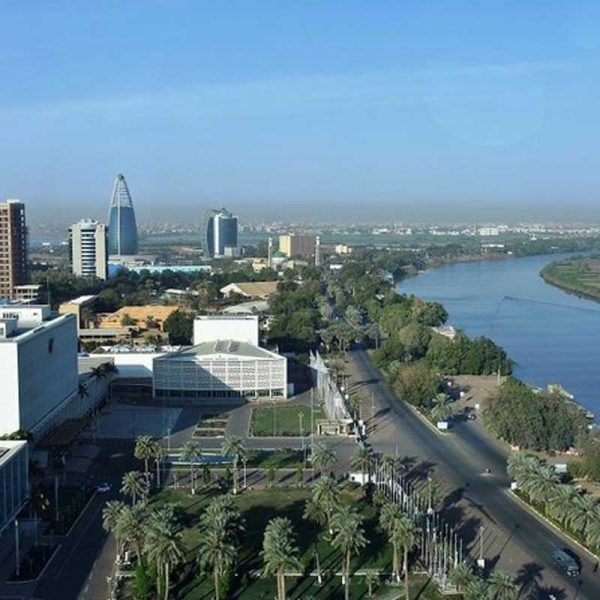
Sudan is one of the largest and most geographically diverse countries in Africa, with a strategic position between North Africa and sub-Saharan Africa. It borders seven countries and has access to the Red Sea and Gulf markets. Its gold reserves, oil and gas fields, wider mineral wealth, favourable climate and strong irrigation and soil conditions make it a country with significant economic potential.
The guide notes that Sudan put in place macroeconomic reforms, including a new investment law, an anti-corruption commission and a law promoting public-private partnerships (PPPs). It identifies the natural resources and mining industry, agriculture and livestock as key areas for investors.
Investors can use a one-stop-shop system for investment licences, run by the Investment and Private Sector Development Authority. Incentives include corporate profit tax exemption for up to five years from the start of commercial production, VAT exemption on approved capital imports, and customs duty exemptions. Free zones at Gari, north of Khartoum, and on the Red Sea, near Port Sudan, offer further tax and import duty benefits. Foreign investors can incorporate a Sudanese company or set up a branch of a foreign company under the Companies Act 2015. Sudan is also a party to the ICSID Convention and signed the New York Convention in 2018.
Here are the key sectors that present investment opportunities in Sudan.
Agriculture
Agriculture is the mainstay of the Sudanese economy. It accounts for nearly one third of GDP, employs about 60 percent of the labour force and supports the livelihood of roughly two-thirds of the population.
Sudan’s main agricultural products include cotton, groundnuts, sorghum, millet, wheat, gum arabic, sugarcane, sesame and livestock. Of 84 million hectares suitable for agriculture, only about 20 million are cultivated. The sector also supplies inputs to textiles, sugar and edible oil. Agriculture is taxed at 0 percent corporate tax under the guide, and many local agricultural products are exempt from VAT.
Banking and Financial Services
Sudan’s financial system is relatively small by regional standards. The banking sector has 39 banks, and the country remains under-banked, with most institutions concentrated around Khartoum.
A 2021 amendment allows conventional banking alongside Islamic banking, and the Central Bank of Sudan’s 2021 policies aim to bring the banking system in line with international standards. The Khartoum Stock Exchange lists 67 public companies and 20 mutual funds.
Manufacturing
Manufacturing contributed 11.75 percent of Sudan’s GDP in 2019, the last year the guide reports.
Main fields include refined sugar, edible oil, cotton ginning and textiles, cement, petroleum refining and pharmaceuticals. Manufacturing is taxed at 15 percent corporate tax.
Mining, Oil and Gas
The gold mining industry has become a key focus of the Government, which encourages national and foreign companies to invest in the sector.
Sudan’s mineral potential also includes silver, platinum, copper, iron, chrome and uranium. The guide reports oil reserves of around 1.5 billion barrels and gas reserves of around 3 trillion cubic feet, plus under-prospected offshore gas blocks. Mining is taxed at 15 percent corporate tax.
Real Estate and Construction
Fitch Solutions forecast an average annual growth of 3.5 percent for Sudan’s construction industry between 2020 and 2027, as cited in the guide.
Projects are concentrated in Khartoum, some other cities and oil production areas. Land may be leased without restrictions on amount or duration, and registering property costs about 2.5 percent of its value.
Telecommunications
The Telecommunications and Postal Regulation Act 2018 created a regulator that encourages investment, free competition and network interconnection.
The regulator is also responsible for expanding coverage to rural and remote areas.