Africa’s Key Priority Areas Going Forward 2022

According to the World Economic Forum (WEF), African countries will need to work together with the rest of the world towards actualising key priority areas essential to the continent’s economic development. Africa has some progress but there is still a long way to go, especially following the impact of the COVID-19 pandemic and the Ukraine-Russia conflict which have brought to light the unpreparedness of the African countries.

Focus on the below would be instrumental in helping alleviate Africa’s challenges:

What the Russian-Ukraine Crisis Means for Africa

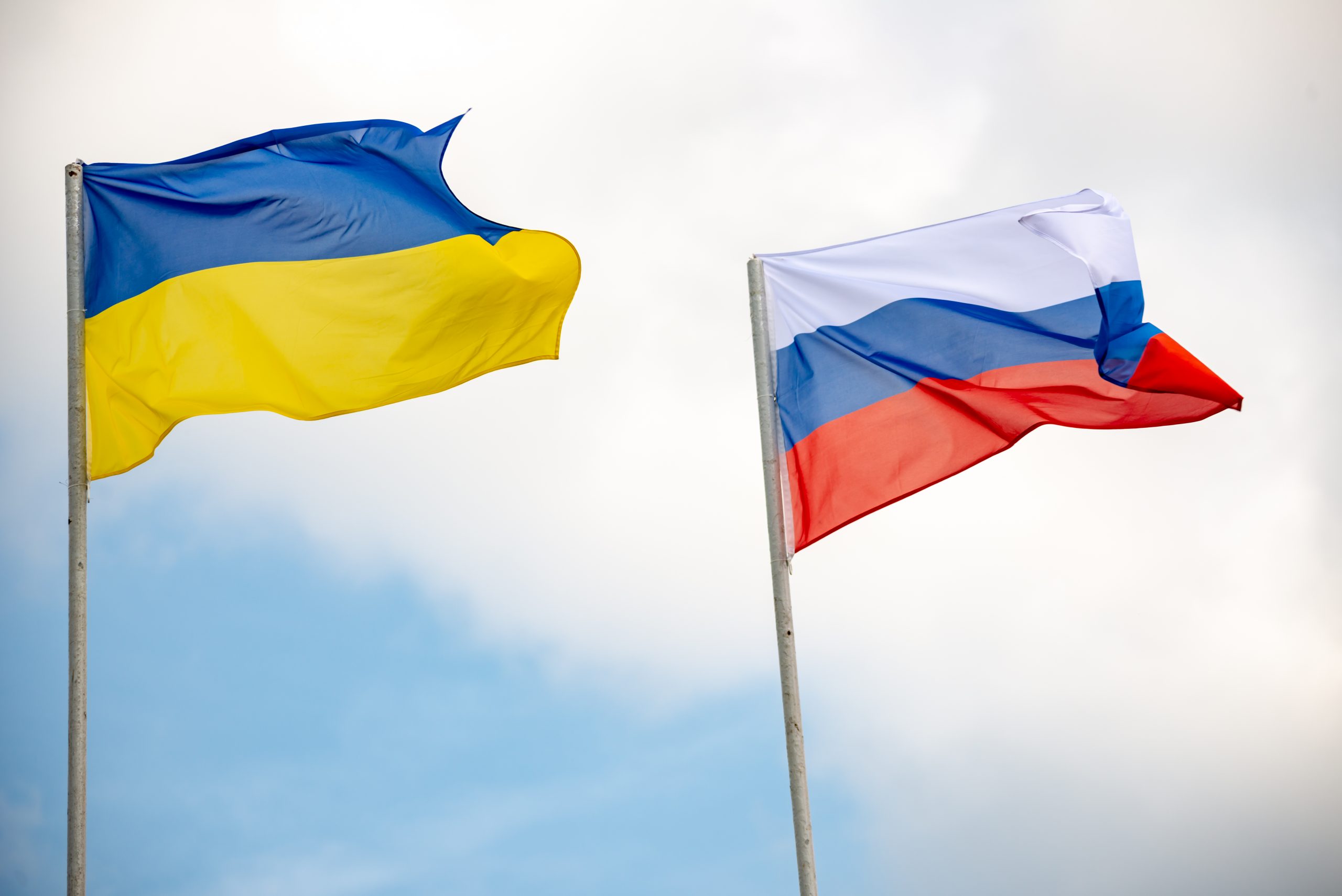
On 24 February 2022, Russia invaded Ukraine, and from a global perspective, this has been viewed as an act of aggression against a sovereign state.

According to Reuters the conflict has left damage of approximately USD 570 billion and displacement of approximately 11 million people. The effects of this conflict have had a lasting effect on global business, especially in Africa which relies on both states regarding economic relations such as tourism, employment, education, and trade relations. A new report by the United Nations report has found that more than 70 percent of Africa’s economies are at severe risk from Russia’s war in Ukraine. The report found that 41 African countries face maximum exposure to at least one emergency caused by the war.

The various sanctions and embargoes issued to Russia have left a gap in several areas, especially in the supply of various resources such as gas and oil. This gap has been created but also the impacts are being felt across the African continent in various ways as seen below:

1. Agriculture and Food Security
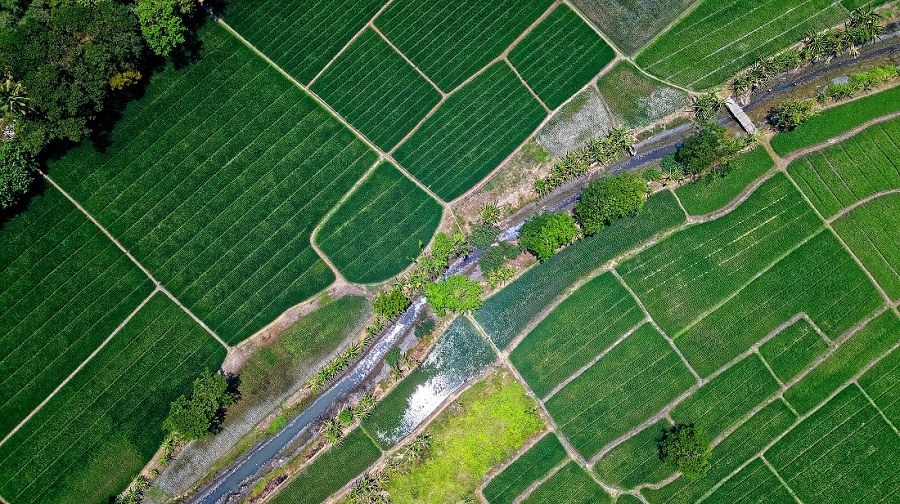
The uncertainty over the availability of farm inputs such as fertiliser has been the most outstanding regarding food security. Fertiliser is a major import from Ukraine and it is vital in food production in Africa. The costs of urea and phosphate—two major components of fertiliser—had already risen by 30 and 4 percent, respectively, by the end of 2021. These increases, plus fertiliser export bans by China and Russia through at least June 2022, are expected to cause the cost of fertiliser to rise much more. The disruptions in imports as a result of the conflict have also resulted in a surge in food prices on the continent, further intensifying uncertainty over food security. Importantly, during the 2020-2021 agricultural season, Africa represented 36 percent of Ukraine’s total wheat exports and was by far the largest regional destination. Nigerian business mogul, Aliko Dangote has taken advantage of the shortfall in Russian fertilizer exports by opening a USD 2.5 billion fertilizer plant with the intent of selling fertilizer to the continent as well as to the United States, Brazil and India.

2. Natural Resource Exports
With oil price volatility, compounded by fears of fuel scarcity and the European Union’s consideration to phase out the EU’s dependency on Russian oil, Africa is looking for new energy sector investors in Europe who will soon no longer depend on Russian natural gas. The price hike in these natural resources has opened a window of opportunity for African countries which are reported to have approximately 630 trillion cubic feet of natural gas reserves with Nigeria, Algeria and Mozambique averaging 200, 159 and 100 trillion cubic feet respectively. These reserves are being considered by European member states as they intend to integrate them into their energy supply. Other countries like Tanzania, with an estimated 57 trillion cubic feet of gas reserves, could end up attracting approximately USD 30 Billion in foreign investment regarding gas supplies as they continue to negotiate with energy companies.

3. Regional Solidarity
The solidarity of regional blocs such as ECOWAS, SADC and EAC will be tested during this conflict. Most of these blocs were formed from an economic perspective and due to differences in the political opinion some African countries have not agreed with Russia’s invasion of Ukraine, but some have agreed with this move made by Russia. This will bring to a test the solidarity of African countries and it will affect business between these countries regarding ease of doing business and ease of movement of goods and people across borders. It has become increasingly difficult for African countries as Russia has been able to establish itself in the continent both for security and economic purposes. This has seen a significant reduction of conflict in the Sahel region in countries such as Mali, Niger, Burkina Faso and the Central African Republic which will inevitably boost trade.

4. Debt Burden
The crisis in Ukraine could bear another crisis in debt as countries try to come up from the ravages of the COVID-19 pandemic. Many African countries are at risk of having an increased debt burden due to the crisis which will lead to any additional government revenues being channelled towards the high costs of other goods including food, fuel, and household goods. According to the Brookings Institute, more than 20 countries are at risk of debt distress in Africa. And as debt service costs continue to rise to approximately USD 70 Billion, African countries will persist in borrowing to offset gaps in revenue. This will have significant impacts on investment in infrastructure and funding of social amenities such as schools and hospitals and people who work in these sectors. The debt burden experienced by many states, especially in Africa will be a major blow as many countries had agreed on terms on debt restructuring with the IMF, World Bank and other financial institutions to be able to recover from the COVID19 crisis.

Whether the war ends soon or becomes a prolonged battle, Russia, the US, and the UK can be expected to continue cultivating economic, political and security relationships with countries across Africa to address the myriad challenges facing many African countries to exert influence. The African Continental Free Trade Agreement further provides a unique opportunity to strengthen intra-Africa trade as well as for foreign investors to strengthen strategic partnerships with African countries by driving growth, especially with small-to-medium-sized investments.

___________________________

Sources

Brookings | Reliefweb | United State Institute of Peace | African Business | How We Made it in Africa

Stories that Matter | April 2022

World

Tax Deal Sets Ground to Collect at Least 15 Percent Tax on Online Sales
A new global tax agreement will allow low-income countries to collect taxes from multinational companies with a physical presence in foreign countries but whose products are sold in countries where such multinationals have no physical presence. Under the new arrangement, if a country has a physical presence in Europe or another country but sells its products through online platforms, such a company will be required to pay taxes in the country where its products have been sold. The agreement also introduces minimum tax rates of 15 percent below which no country will be allowed to charge tax rates.

This, the agreement says, will prevent multinational companies from migrating from countries with higher tax rates to countries with lower tax rates. Currently, it is estimated that between USD 100 billion and USD 240 billion about 4 percent to 10 percent of global corporate income taxes in revenue is lost each year because multinational companies take advantage of gaps and mismatches between different countries’ tax systems. Africa loses approximately USD 50 billion each year through illicit financial activities of multinationals and wealthy individuals, and approximately USD 88.9 billion in capital flight. Source: Monitor


ALN’s Risk Advisory Team Step Up to Protect People, Assets, Operations, Brands

It is accepted that the business environment in Africa carries a higher level of risk and challenge than in other parts of the world. Turning risk into opportunity, ALN’s multi-disciplinary team helps clients navigate the continued changes in regulation, governance and compliance.

“Non-profit organisations, development partners and private companies across Africa need to manage risk and prevent, detect, investigate and respond to incidents to protect their people, assets, operations and brand,” says Willie Oelofse who is ALN Kenya’s Director, Forensics, Risk & Compliance.

To this end, the Adili Corporate Services and the ALN Forensics, Risk & Compliance teams have partnered to support the insurance sector as well as family-owned businesses across Africa when it comes to managing their unique vulnerabilities.

Risk Advisory for Family-Owned Business
A small outfit with humble beginnings is often what comes to mind whenever one thinks of family businesses. However, the truth is that family businesses claim a significant share of the economy, not just in Kenya but across the African continent and globally. It is said that family businesses contribute a significant portion of global GDP and are the second-biggest employers globally, next to governments.

“In Kenya, and East Africa in general, the economy is significantly fueled by family businesses, which account for over 60% of total employment,” observes Willie. “Nine out of ten businesses in Kenya are family-owned, most are small, table-top enterprises with family members as the only employees.”

This trend is expected to continue on an upward trajectory into the future, with increasing government focus on catalysing private sector growth and entrepreneurship. This goes on to show just how much the economy depends on the continuity and success of family businesses.

The importance of setting up and operationalising a risk management framework or strategy for any business cannot be over-emphasised. Family businesses are no exception, especially given the unique risk culture observed in such a setup. Proper identification, assessment and control (treatment) of risks and their impact on the organisation and its key stakeholders is an essential part of any organisation. It is also a necessity for formulating an effective strategy for business continuity and growth.

“We understand the unique characteristics of family businesses. Purpose is at the centre of all that you do – driven by core values, strong vision, trust and legacy,” says Mona Doshi a Partner at ALN Kenya who also co-heads the firm’s private client law practice. “As trusted advisors, we help family businesses drive growth, capital, and wealth potential while protecting the clients’ legacy.”

Adili Corporate Services and ALN Forensics, Risk & Compliance partner with family businesses to provide unique programs focusing on governance, risk and compliance, as well as building practical and strategic controls around prevention, detection and deterrence of enterprise risks. Some of these services include conducting internal audits, cybersecurity and data protection, as well as whistleblowing.

Risk Advisory for the Insurance Sector
The insurance sector is increasingly facing a variety of strategic risks that could undermine a company’s value proposition and foundation. According to Willie, innovative technologies, and more complex regulations are among the changes impacting insurers and posing greater risks than ever before.

“It is important for insurers to develop strategies to proactively address risk management and compliance exposure and alignment to emerging risk management practices is key to survive the inevitable changes in the sector,” says risk and compliance expert Willie.

Adili and ALN Forensics, Risk & Compliance are working across life insurance, general insurance, and reinsurance businesses, applying innovation, technology and consulting expertise to transform capabilities, improve profitability, and enhance return-on-equity and compliance. Their work is empowering M&A, divestitures, partnerships, and performance.

The multi-discipline team has acted for some of the most prominent clients, including a large insurance brokerage firm based in Kenya to assess the extent of fraud in the claims management process. This included investigating claims through the use of forensic technology to locate potential evidence and financial reconciliation to identify the customer accounts used to perpetrate the fraud and locating the key assets of the individual which were suspected to have been purchased through the proceeds of the fraud.

Due Diligence and Cross-Functional Support
The risk advisory team is also able to support ALN’s transactional teams in Corporate M&A, Banking & Finance and Projects & Infrastructure in providing due diligence investigational support to target companies, businesses and key individuals to enable clients to identify key risks and potential areas of concern with any potential acquisition or financing before a deal is signed. The team is also able to take a helicopter view of the whole due diligence process across the relevant disciplines to identify threads or lines of enquiry which may not be obvious from an individual report.

The team’s excellent knowledge and over 50 years combined experience working with insurance firms and family-owned businesses across Africa has cross-boarder clients choosing them for their diverse knowledge and expertise, network, and innovative approach to current challenges and opportunities.

The content of this article is intended to be of general use only and should not be relied upon without seeking specific legal advice on any matter.

Countries Agree to Turn Tide on Plastic Pollution in Ambitious Global Treaty

Heads of state, environment ministers and other representatives from 175 countries, on 2 March, endorsed a historic resolution to end plastic pollution, and forge an international legally binding agreement, by the end of 2024.

The landmark resolution at the UN Environment Assembly (UNEA-5.2)  that took place in Nairobi addresses and explicitly references circular economy, full life cycle and sustainable production and consumption, including its production, design and disposal.

The use of single-use plastics has contributed to much of this type of pollution. Plastic production has risen exponentially in the past decades, and it now amounts to some 400 million tons per year, a figure that is set to double by 2040. The UNEA Treaty was developed to tackle these kinds of setbacks on the environment by bringing in 175 member states to endorse this landmark agreement.

“The indiscriminate pollution of our oceans which threatens food chains and ocean, and lake-based communities should be of grave concern to legislators. There is a need to take immediate action towards harmonising policies to ensure we successfully tackle plastic pollution in the region,” says Karim Anjarwalla, Managing Partner, ALN Kenya.

UNEA has for the first time been able to adopt a negotiation mandate for a new legally binding multilateral environment agreement. The overarching reference of this resolution is based around the circular economy, full life cycle and sustainable production and consumption. The treaty magnifies the importance of promoting a circular design of products and materials so that they can be reused, recycled or remanufactured hence retained in the economy for as long as possible along with the resources they are made of, as well as minimising the generation of waste.

Uniting for Change

With equal focus on education awareness, innovative solutions and advocacy at a regional and global level, efforts by ALN in partnership with The Flipflopi Project stand a chance of turning the tide on plastic pollution as they lay the groundwork for the adoption of streamlined legislation and collaborative action within the East African Community. A report titled ‘East Africans: Let’s Unite for Change’, released by ALN Kenya together with The Flipflopi Project and Sustainable Inclusive Business uncovers the need to adopt streamlined legislation to manage plastic pollution throughout the East African Community (EAC).

“This initiative [the Flipflopi project] provides a platform to spark and encourage conversations around the dangers of single-use plastic to our environment and to increase public awareness of the impact of plastic pollution as a means to change people’s daily habits by eliminating and reducing waste from single-use plastic products,” says Rosa Nduati-Mutero, Partner, ALN Kenya.  

The Resolutions Adopted

The UNEA treaty encourages action from both the private and public sector and calls upon member states to step up their activities. These types of activities promote cooperation at the global, regional, national and local levels which enables the recognition of strengthening governance and coordination regarding to taking immediate actions. So, what are the major resolutions that were adopted?

  1. Resolution to End plastic pollution: Towards an international legally binding instrument

This resolution has rightly identified the transboundary nature of plastic pollution and it has recommended joint actions at the global, regional and local levels. It recognises the need for enhanced collaboration on capacity building, green technology, and technical and scientific cooperation to ensure the sustainable design and use of plastic products.

  1. Resolution on an Enhancing Circular Economy as a contribution to achieving sustainable consumption and production.

This resolution is based on the world continuing to develop practical solutions regarding a circular economy as one of the sustainable development models. The resolution also emphasizes the full life cycle of materials from production, design to waste management and prevention and the coherence and coordination of activities globally, regionally and nationally. This resolution also focuses on means of implementation including technology transfer, finance and capacity building.

“To address plastic waste pollution at source, we need to fundamentally rethink the way we design, use and reuse plastics. The Kenya Plastics Pact, for instance, brings together stakeholders from across the whole plastics value chain to transform the current linear plastics system into a circular economy for plastics which keeps them in use and out of the environment,” says Karin Boomsma, Director, Sustainable Inclusive Business Project.

  1. Resolution on Sustainable and Resilient Infrastructure

The resolution on sustainable and resilient infrastructure encourages member states to adopt environmental considerations in all their infrastructure plans. The focus is also on sustainable housing which is one of the areas that is under development in developing countries. Huge tracts of riparian land and water catchment areas are being cleared to pave way for development and this creates a threat to biodiversity.

  1. Resolution on Nature-based Solutions (NbS) for Supporting Sustainable Development

The resolution on Nature-based Solutions for Supporting Sustainable Development also calls on UNEP to support the implementation of NbS, which safeguards the rights of communities and indigenous peoples. The definition of NbS has its basis around actions to protect, restore, sustainably use and manage natural or modified water systems.

The report has emphasised the collective responsibility needed in matters concerning the environment. Therefore, most of these activities need to be achieved from the basic level which is the local level to the more dynamic and sophisticated level which is the global level. The various states involved in this agreement have begun taking various steps towards achieving a circular economy as part of their sustainable development goals agenda.  African countries have started the work but there are several constraints that need to be overcome regarding financing and creating awareness for the circular economy.

“Without any proper waste management systems, we will be forced to take our own action on plastic pollution. By better understanding the problematic plastics, we can contribute to the action plan for the development of a sustainable waste management system,” says Ali Skanda – Co-Founder of the Flipflopi Project.


_____________________________

Sources

Ellen MacArthur Foundation | UNEP | The Flipflopi Project | New Scientist

Stories that Matter | March 2022

East  – Central Africa

Equity Bank’s USD 6 Billion ‘Marshall Plan’ for SMEs
Equity Bank, which is East Africa’s largest banking group and led by James Mwangi, is planning extensive assistance to boost the private sector in its six countries of operation. Through its Regional Private Sector Economic Recovery and Resilience Stimulus Plan, Equity Group intends to support small and medium-sized enterprises (SMEs) in East and Central Africa’s agriculture, manufacturing and logistics, trade and investment, social and environmental sectors over the next five years. The package is substantial: USD 6 billion, which was equivalent to almost 70% of Equity’s total balance sheet in 2020. The group led by Kenya’s James Mwangi had a total balance sheet of about USD 9 billion, according to the latest figures published on 31 December 2020. “This recovery and resilience plan is a kind of Marshall Plan, in which we commit USD 6 billion to support the continent’s industrialisation by helping SMEs and creating 50 million direct and indirect jobs in our countries of operation over five years,” Mwangi told The Africa Report. The bank holding company has subsidiaries in Kenya, Uganda, South Sudan, Tanzania, Rwanda and the Democratic Republic of the Congo – as well as a representative office in Addis Ababa, Ethiopia.-Source: The Africa Report

East Africa

East African Countries in USD 8 Billion Investment Plan
East African states will jointly benefit from at least USD 8.77 billion worth of investments in transport, healthcare, energy, and agriculture among other sectors, from deals made at the 2021 African Investment Forum concluded on Thursday.

The three-day event was organised by the African Development Bank (AfDB) in partnership with other finance organisations, including Africa Export-Import (Afrexim) Bank and African Finance Corporation among others, these organisations yielded a total of USD 36.2 billion from 43 investment deals for the entire continent, 37.5 percent short of the expected USD 58 billion. – Source: The East African

East Africa – Central Africa

Investment in Young Firms Leads EA Deals
Early-stage venture capital (VC) investments recorded the biggest growth in new deals into East Africa last year, targeting the financial, agribusiness and ICT sectors which have recently offered high growth potential. An analysis of deals carried out by investment adviser I&M Burbidge Capital shows that VC deals jumped from 16 in 2020 to 29 last year.

This contrasted with the slowdown in deals involving later stage private equity, which fell by three to 38, development finance institution (DFI), down from 16 to nine, and mergers & acquisitions which dropped from 26 in 2020 to 17 last year.

“The region has witnessed a shift towards early-stage investments, with 29 VC transactions being recorded, with a total disclosed deal value of  USD 56.28 million (up from USD 39.07 million in 2020) and median deal value of USD 2.30 million (USD 2.28 million in 2020),” said I&M Burbidge Capital in its 2021 annual financial review. – Source: Business Daily

Côte d’Ivoire

Côte d’Ivoire Tests New Cocoa Traceability System to Fight Deforestation
Côte d’Ivoire will launch a pilot project in April to trace cocoa beans from farm to market, aiming to tackle issues such as deforestation and child labour, the head of the West African nation’s cocoa regulator has said. The new system will allow manufacturers and consumers to know the exact origin and production conditions of cocoa beans, the main ingredient in chocolate. It will also introduce a new payment system aimed at ensuring farmers get a fair wage. The move comes in response to plans by the European Union to ban imports of commodities and products linked to deforestation and human rights abuses. “The objectives of our traceability system is to control the origins and the entire circuit of beans, fight against deforestation and pay the guaranteed price to farmers,” said Yves Brahima Kone, head of the Cocoa and Coffee Council (CCC). Currently, exporters have their own traceability systems that are not compatible with one another and do not make it possible to accurately determine the route of Ivorian beans from production to market. – Source: Reuters

Nigeria

AfDB Secures USD 15.6 Billion for Lagos-Abidjan Highway Corridor
The president of the African Development Bank (AfDB), Dr Akinwumi Adesina, announced that the bank has secured USD 15.6 billion for the construction of the Lagos-Abidjan highway corridor, which would ease transportation across West Africa. He made this announcement during the 2021 Africa Investment Forum virtual boardroom closing session on Thursday, 17 March. The AfDB president said, “the biggest deal for the boardroom is the USD 15.6 billion deal for the Lagos-Abidjan highway corridor. The 46-lane highway corridor will connect Lagos, Cotonou, Lome, Accra and Abidjan.” According to him, this project would support trade in West Africa, impacting the lives of over 500 million people, reducing transport costs and increasing intra-regional trade volume. “It will support 75% of the trade in the West African region. It would reduce transport cost by 48%. It would increase intra-regional trade volume by 15% to 25%. It would connect land-locked cities to port countries,” he added. – Source: The Punch

Morocco

AfDB Deploys USD 1 Billion to Support Morocco’s Economic Recovery
The African Development Bank (AfDB) will give more than USD 1 billion to Morocco to help its economic recovery from the coronavirus crisis over the next two years.

The budget aims to support Morocco’s key sectors, including water, agriculture, social inclusion, human development, and infrastructure, Vice President of AfDB in charge of Agriculture and Human and Social Development Beth Dunford said at the end of a working visit in Morocco on Tuesday. During her visit to Morocco, Funford held several meetings with senior Moroccan officials, a statement from AfDB said on Tuesday. The meetings served as an opportunity to discuss different aspects of the partnership, the statement added.

“With Morocco, we have been linked by a historic partnership for more than half a century,” Dunford said. She added that the bank has mobilized USD 12 billion for more than 170 operations in Morocco as part of the partnership between the two parties.- Source: Morocco World News

Mozambique

Mozambique Joins Collaborative ICT Data Collection Initiative Developed by AfDB
The African Development Bank (AfDB) has extended membership of a digital data supervision system known as the Remote Appraisal Supervision, Monitoring, and Evaluation (RASME) project to Mozambique, making it the sixth African country to benefit from the tool which enhances project-related data collection in remote areas. RASME is a partnership of the AfDB and the World Bank’s Geo-Enabling initiative for Monitoring and Supervision and KoBoToolbox teams. The digital data gathering suite of tools being used for the RASME project is based on the KoBoToolbox platform, an open-source information and communications technology (ICT) solution developed by researchers affiliated with the Harvard Humanitarian Initiative. The initiative uses mobile devices and personal computers to enable bank staff to remotely collect digital project data directly from the field in real-time. The onset of the COVID-19 crisis has sharpened the need for remote data collection tools. Mozambique’s Deputy Minister of Economy and Finance, Carla Alexandra Louveira, and the AfDB’s country manager, Cesar Mba Abogo officially launched the initiative. – Source: AfDB

Kenya

Kenya to Host One of Africa’s Two Giant Data Hubs
Kenya will host one of the two mega data centres in Africa that will increase internet speed and make it harder for hackers to bring down websites. The new data centres, which will have multiple servers with a high bandwidth to deal with spikes in traffic, will offer the continent faster access and better protection from cyberattacks. The Internet Corporation for Assigned Names and Numbers (ICANN), the non-profit corporation that coordinates the domain name systems, announced that it will set up two Root Server (IMRS) clusters, one of which will be in Kenya. “The clusters ensure that internet queries from Africa can be answered within the region, and not be dependent on networks and servers in other parts of the world, thus reducing latency and improving internet user experience in the entire region,” the organisation entrusted with stewarding the internet’s unique identifier systems in the world said. Information and Communications Technology Cabinet Secretary Joseph Mucheru said the new infrastructure is in line with the African Digital Transformation Strategy (2020-2030) and more specifically, with Kenya’s Digital Economy Blueprint, which identifies infrastructure as one of the five key pillars necessary for the digital transformation of the economy. – Source: Business Daily

Africa Lens on Ukraine Crisis

Could Africa Become Europe’s Next Gas Station’?
Experts expect Europe to ramp up investments in Africa’s natural gas sector to shock-absorb its economy from the unfolding crisis in Ukraine and the potential for energy supplies disruption in the future.

In January, the European Union drafted a proposal to classify natural gas projects as “green energy” investments, potentially allowing the bloc to invest in the sector and at the same time contribute to what African nations are increasingly calling a “just transition” in the energy sector as the continent taps into gas and uses the proceeds to build on its huge green energy opportunities. According to the Brookings Institution, the result of the January decision is that Europe is likely to be a key financier. However, there may be a number of international players eyeing Africa’s gas and renewables opportunities. And Russia’s invasion of Ukraine is focusing attention with startling speed. With BP divesting its stake in Russian state-oil company Rosneft, it may also look for new business opportunities in Africa. – Source: Daily Nation 

The Russia-Ukraine War Threatens Africa’s Wheat Supply
Russia’s invasion of Ukraine is likely to disrupt Africa’s wheat supply and heighten food insecurity in some parts of the continent including Somalia, which is experiencing its worst drought in decades.

“A decline in wheat trade will have a compound effect on the drought, as so much of our food comes from Russia and Ukraine. From the price of goods, to the actual supply, Somalia is going to feel the impact of this crisis for many months to come,” says Abdullahi Nur Osman, CEO of the Hormuud Salaam Foundation, a philanthropic organisation that delivers aid to drought-impacted communities in Somalia.

Somalia imports most of its wheat from Egypt, which imports about 85% of its wheat from Russia and Ukraine. – Source: Quartz Africa

Russia’s Invasion of Ukraine May Drive a Wedge Between the West and Africa
The apparent reluctance of many African countries to condemn Russia’s invasion of Ukraine has caught many Western governments, diplomatic experts, and observers of Africa’s international relations by surprise. Although twenty-eight African countries voted in favor of the March 2, 2022, UN General Assembly (UNGA) resolution demanding that Russia “immediately, completely and unconditionally withdraw all of its military forces from the territory of Ukraine within its internationally recognised borders,” notably, seventeen African nations abstained while no votes were recorded from another eight.

Unsurprisingly, Eritrea, whose leader Isaias Afwerki enjoys a close relationship with Russian President Vladimir Putin, and who has long staked out an anti-Western diplomatic stance, joined Belarus, North Korea, Russia, and Syria in voting against the resolution. In total, 141 (out of 194) UN member states endorsed the resolution.

Except for the speech by Kenya’s Permanent Representative to the United Nations Martin Kimani vigorously affirming the sanctity of international borders and rejecting “irredentism and expansionism on any basis,” African diplomats have largely maintained a studied silence, and, significantly, none of the twenty-eight supporters of the resolution, including regional powerhouse Nigeria, has come out to elaborate on its position. – Source: Council on Foreign Relations

Putin’s War on Ukraine: Aftershocks in the Europe-Africa Partnership
Russian President Vladimir Putin’s full-scale invasion of Ukraine has inspired unprecedented shifts in European economic, foreign, and energy policy. It has led to greater solidarity within the European Union, NATO, and the transatlantic alliance. But it risks diverting Europe’s attention away from Africa.

Just a week before the invasion, European and African leaders met to map out their common future. Now the world has changed, raising the stakes of that partnership. Whatever happens next in Ukraine will have significant implications for African countries. – Source: European Council on Foreign Relations


Ukraine Crisis Impact on Global Businesses
As the senseless invasion of Ukraine continues, a horrified world watches the humanitarian crisis deepen by the day. Already more than 2,000 civilians have been killed or injured and more than 3 million refugees have fled the country, where damage to infrastructure and buildings exceeds USD 100.

Business leaders have rightly focused first on this human tragedy, taking immediate actions to ensure the safety and well-being of their people and leaning in to help however they can. Airbnb has offered free temporary housing for 100,000 refugees; companies such as GSK and Roche have donated antibiotics and painkillers; many others are donating millions of dollars in aid. Hundreds of companies, including Bain and Company, have suspended operations in Russia or exited the country entirely.

The war also has created a high level of uncertainty in the global business environment, despite the fact that Russia, Belarus, and Ukraine are not major global end markets. With a gross domestic product of USD 1.8 trillion, Russia’s economy is roughly one-tenth the size of China’s. Ukraine and Belarus are even smaller, with USD 0.2 trillion and USD 0.1 trillion in GDP, respectively.

Click here to download the report. 

Ten Ways the War in Ukraine will Change the World
Russia’s invasion of Ukraine marks a defining moment in the reshaping of the geopolitical order. The battle for Ukraine is not just another regional war: : it represents a rupture in Russia-West relations that will have profound repercussions for Europe and the world. This analysis outlines how the conflict will influence the global balance of power and lead to a further unravelling of the post-Cold War order.

Click here to download the report.

Reports

Global Economic Prospects 2022
The Global Economic Prospects delves into the Global economic outlook that focuses on pandemic developments, global trade, commodity markets and global inflation and financial developments. This report covers various regions across the globe such as Sub Saharan Africa, Middle East and North Africa, Europe and Central Asia, South Asia, Latin America and the Caribbean and East Asia and the Pacific.

Click here to download the report.

AfCFTA Country Business Index (ACBI) Report 2022
The AfCFTA Country Business Index Report  gives insight into restrictiveness of goods and their costs.  However, the report largely elucidates on the use and awareness of FTAs especially for businesses in various regional blocs. This index is seen as one of the primary tools through which businesses can voice their views on the implementation of the AfCFTA by identifying main trade constraints. 

Click here to download the report.


Subscribe

* indicates required
Our Social Media


© 2026 ALN. All rights reserved