
Africa stands at a defining crossroads in its energy transition. On one side lies a growing population, rising urbanisation, and an insatiable demand for reliable power. On the other hand, a persistent energy deficit, where over 600 million people remain without access to electricity. Bridging this infrastructure gap will be about unlocking inclusive, sustainable economic growth. But with constrained public budgets and risk-averse private capital, who will finance Africa’s energy future? Increasingly, the answer largely lies in the strategic involvement of Multilateral Development Banks (MDBs) and Development Finance Institutions (DFIs).
News type: Africa Bulletin
Monthly Newsletter shared via email. Every Last Thursday of the Month.
State of Africa’s Private Capital: Recalibrating for Resilience and Impact

Over the past decade, private capital has significantly impacted Africa’s investment landscape, emerging as a key driver in its economic transformation. Private equity (PE), venture capital (VC), infrastructure funds, and private debt have played a significant role in bridging financing gaps, catalysing business growth, and enabling inclusive development across the continent.
Stories that Matter | April 2025

Africa
Fund Managers Double Private Capital in Africa to USD 4 Billion
Fund managers focused on raising private capital for African companies more than doubled their funds to USD 4 billion in 2024, the third highest value in 10 years.
Most of the funds (42 percent) came from development finance institutions (DFIs), demonstrating the continent’s growing appeal to investors despite its macroeconomic headwinds.
The amount, which represents a 110.52 percent increase from USD 1.9 billion in 2023, was raised in final closes across 22 funds, boosted by a resurgence in commitments to infrastructure and private equity funds, according to the latest study by the African Private Equity and Venture Capital Association Ltd (AVCA).
The African Private Capital Activity report, dated April 2025, shows that DFIs contributed 42 percent of the USD 4 billion, while African investors increased their commitments between 2022 and 2024, growing their share from 14 percent to 19 percent.
The rebound in private capital activity on the continent pushed the value of fundraising above the USD 2.7 billion annual average of the previous five years (2019–2023) and ended two consecutive years of decline. “Steady commitments into private equity funds further bolstered fundraising values as the asset class, alongside Infrastructure funds, each accounted for 30 percent of the total value of final closed funds,” the report says.
Source: The EastAfrican
Africa’s Special Economic Zones: Engines for Industrialisation, Urban Development, and Economic Diversification
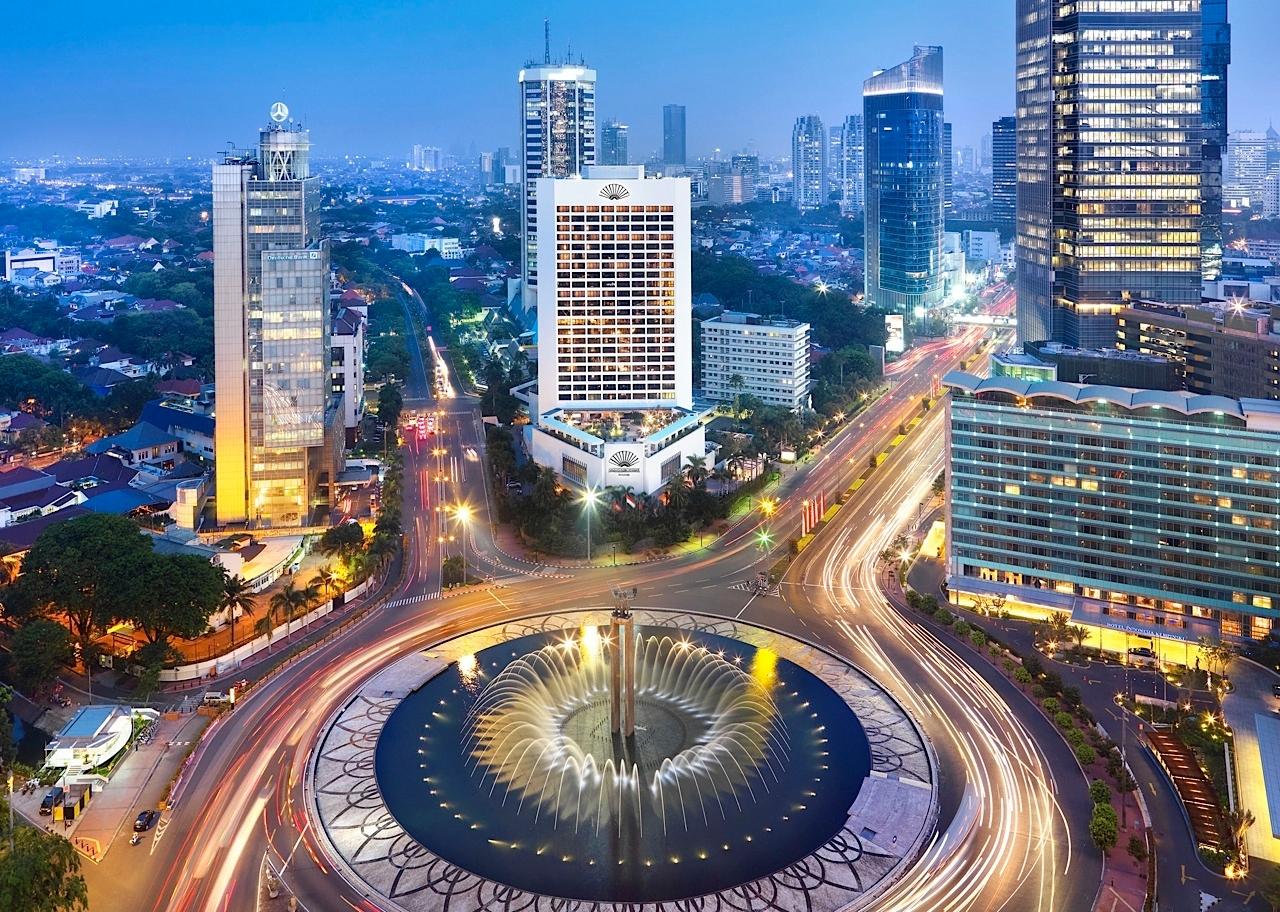
As Africa positions itself as a global economic powerhouse, special economic zones (SEZs) are emerging as key drivers of industrialisation, urban development, and economic diversification. SEZs are designated geographical areas within a country where businesses and investors can operate with different, often more favourable economic policies and regulations than the rest of the country.
Stories that Matter | March 2025
Africa
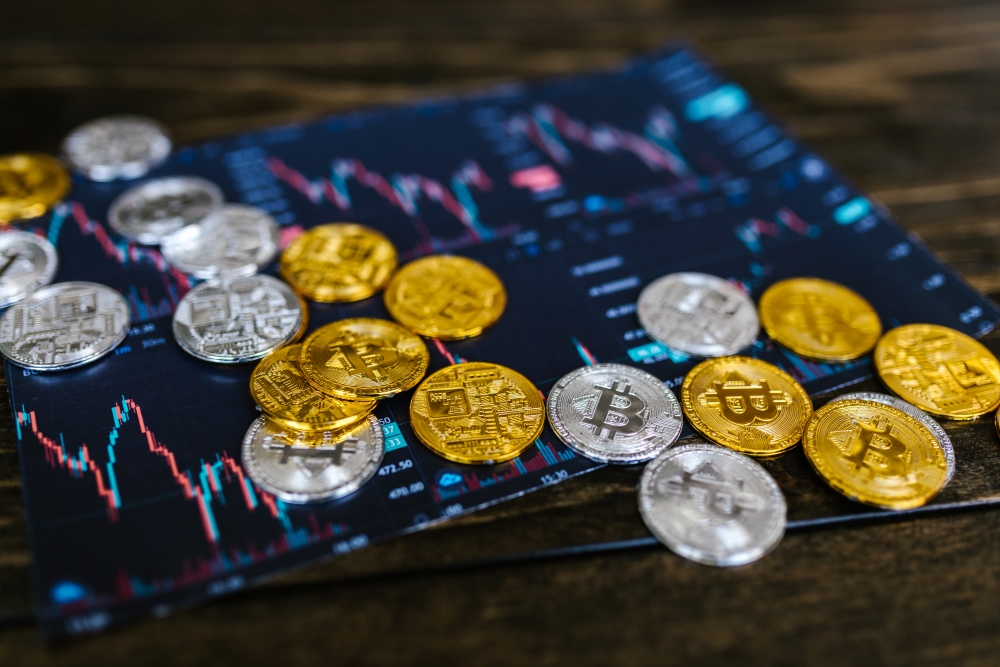
Africa Advances Toward Financial Integration with New Currency Exchange Marketplace
Africa is making a significant stride toward financial integration with the launch of the Africa Currency Marketplace by the Pan-African Payment and Settlement System (PAPSS). This innovative platform is set to facilitate direct currency exchanges across the continent, reducing reliance on the US dollar and fostering a unified African capital market.
In an exclusive discussion on this development, Stan Zézé, CEO & Chairman of Bloomfield Investment, shared insights into the impact of this initiative on Africa’s financial landscape.
Zézé highlighted how the Africa Currency Marketplace could enhance liquidity and stabilise currencies within African markets. He also addressed the challenges of implementing such a system, citing the need for robust financial infrastructure and regulatory alignment among participating nations.
The initiative could also serve as a catalyst for the establishment of a unified African capital market. Zézé emphasised the crucial role of private rating agencies, such as Bloomfield, in providing credible assessments of financial risks and ensuring investor confidence. He argued that independent agencies offer unbiased ratings, contrasting with the African Union’s proposal for a publicly controlled agency, which might raise concerns over impartiality.
Source: AfricaNews
Africa’s Rise to the Global Stage: Trade, Growth, Partnerships and Geopolitical Influence

Africa’s position in the global economy is shifting. Once primarily viewed through the lens of aid dependency, the continent is now a formidable player in trade, investment, and geopolitical affairs. According to Invest Africa, recent developments have seen the African Union admitted as a permanent member of the G20, this was after BRICS welcomed Egypt and Ethiopia as new members, alongside Saudi Arabia, Iran, the United Arab Emirates and Argentina.
Stories that Matter | February 2025
Africa
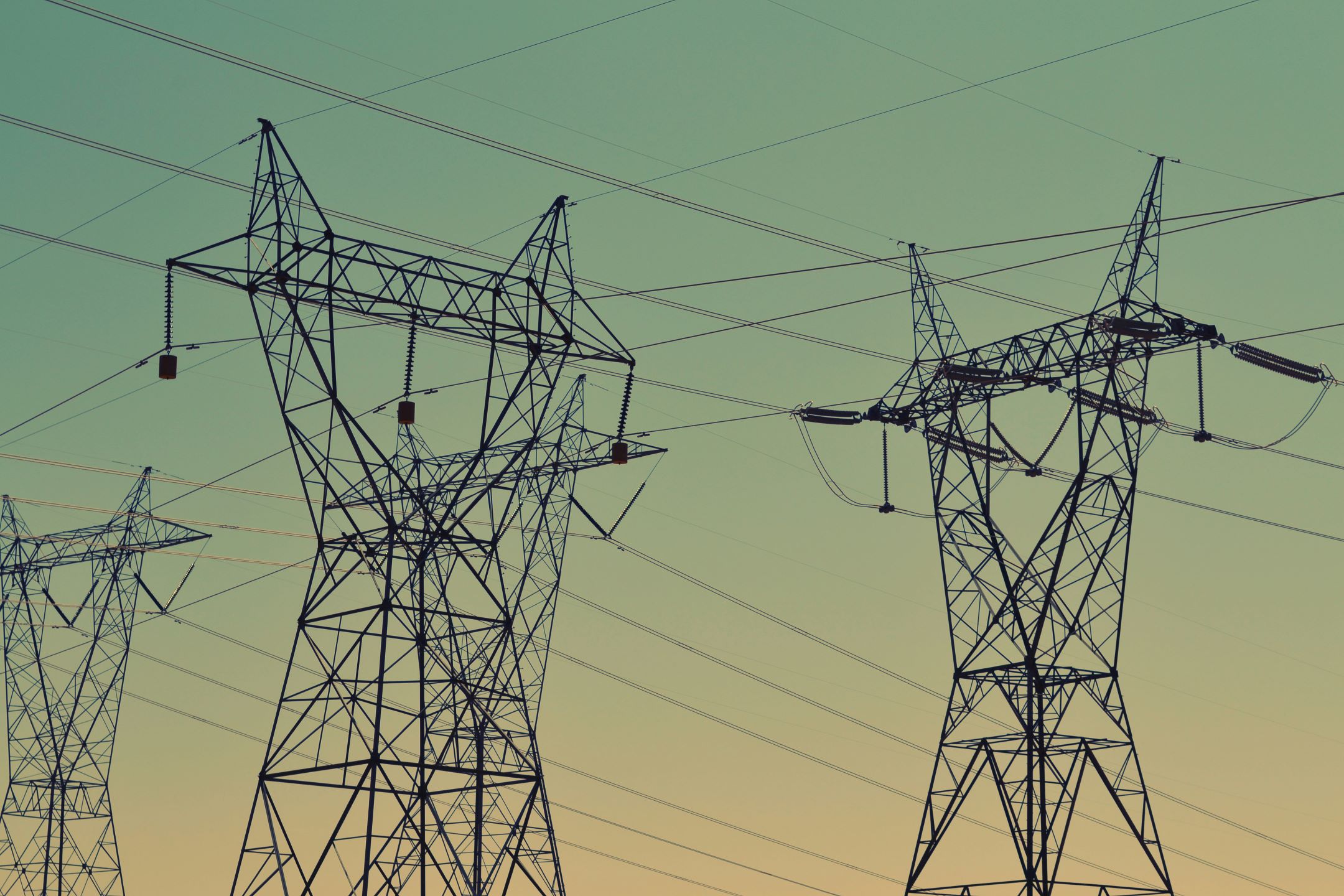
Financiers Commit Over USD 50 Billion for Africa Electricity Connections
Africa recently secured USD 50 billion to provide power to 300 million more Africans by 2030. The funds were pledged at the Mission 300 Africa Energy Summit held in Tanzania and represent 55 percent of the amount required to expand electricity access over the next six years, with Mission 300 estimating the total costs to be USD 90 billion.
The summit was organised by the African Development Bank in partnership with the World Bank Group and convened leaders, policymakers, and financiers to address Africa’s energy deficit.
Despite being home to 18.5 percent of the world’s population, Africa consumes less than 6 percent of global energy and 77 percent of its energy comes from fossil fuels. Over 600 million people, about 44 percent of the total population, lack access to reliable power and this affects economic growth, healthcare, education, and job creation.
As the world moves towards a more sustainable future, Africa’s energy transition will play a crucial role in shaping the global clean energy landscape. With the right investments, policies, and partnerships, the continent has the potential to power millions of homes and businesses, unlocking economic opportunities and improving the quality of life for generations to come.
Source: The EastAfrican
Exploring the Future of Africa’s Business and Investment Landscape

Over the past decade, Africa has experienced a significant transformation driven by demographic growth, technological advancements, and increasing regional integration. During this period, the continent has evolved from a region with untapped potential to a hub of economic dynamism, innovation, and resilience.
Stories that Matter | January 2025

AI to Add USD 136 Billion to African Economies by 2030
Ngozi Okonjo-Iweala, Director-General of the World Trade Organization (WTO), recently stated that Artificial Intelligence (AI) could contribute USD 136 billion in productivity gains, cost savings, and increased revenues to the economies of Nigeria, Kenya, Ghana, and South Africa by 2030.
This is even as she stated that AI has the potential to boost global economic activity by up to USD 15.7 trillion by 2030, with the global south, including Nigeria, standing to gain substantially.
She stated this while delivering a keynote address at the recently concluded 10th Convocation ceremony of the African University of Science and Technology in Abuja.
According to Okonjo-Iweala, Nigeria alone is positioned to reap 43 percent of these gains. She emphasised the transformative role AI can play in driving economic growth and sustainable development across the continent, citing a report by Access Partnership, which indicated that these gains represent 13 percent of the 2022 GDP of the four countries.
She called on African countries to harness AI’s benefits by investing in basic infrastructure, regulatory frameworks, digital literacy, and upskilling young people.
Source: Business Day
Africa’s Key Priorities for 2025 and Beyond: Charting a Sustainable and Dynamic Future
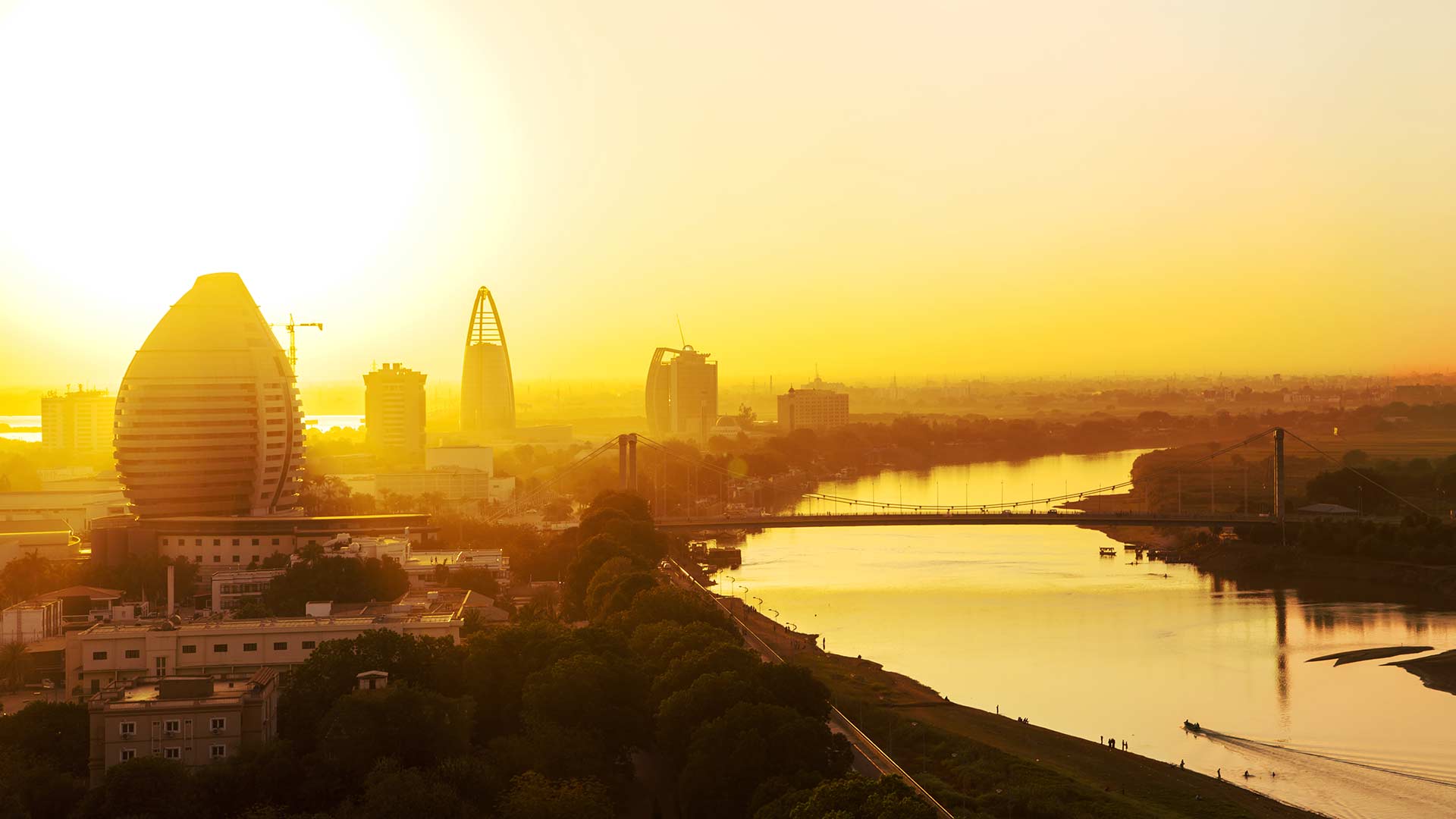
As we move into a new year, Africa’s economic transformation and sustainable development are at a pivotal juncture. Notably, the continent has made significant strides in forging a clear path for its growth journey reshaping global narratives about its potential. However, Africa’s Road to prosperity is not without hurdles. Persistent challenges such as climate change, governance gaps, and infrastructural deficits must be addressed to unlock the continent’s full potential.