
Tackling climate change is of vital importance for Africa. The nature of the fight against climate change is complex and can come at a cost. As Africa, we must be innovative and imagine creative climate-friendly ways African economies can continue to blossom. One non-negotiable element towards realising this goal will have to be much more substantial and sustainable financing than it is today.
News type: Africa Bulletin
Monthly Newsletter shared via email. Every Last Thursday of the Month.
Stories that Matter | September 2023

Africa
Afreximbank to Increase Intra-African Trade Funding to USD 40 Billion by 2026
African Export and Import Bank (Afreximbank) has disclosed plans to double its financing for intra-African trade to USD 40 billion on a revolving basis by 2026, up from USD 20 billion in 2021. At the Nigeria Intra African Trade Fair (IATF) 2023 High Level Business Road Show in Lagos, Executive Vice President, Intra-African Trade Bank, Kanayo Awani, said Afreximbank was working with the AfCFTA Secretariat to put in place the AfCFTA Adjustment Fund to facilitate and provide support through financing, technical assistance, grant and compensation to state parties and private enterprises to effectively participate in the AfCFTA. She said AfCFTA has been signed by 54 of the 55 AU member states and ratified by 47 African State parties. According to her, the board of Afreximbank has approved USD 1 billion to support the funding of the initiative and another USD 10 million grant to facilitate the establishment and operationalisation of the adjustment fund. Awoni stated that although AfCFTA is expected to serve as the bedrock for deeper economic integration and economic emancipation, it would pave the way for increased investment in productive sectors, enhance trade linkages between African member states and drive the continent’s structural transformation.
Source: The Guardian
Stories that Matter | August 2023
Africa
Africa Backs USD 514 Billion in New City Projects to Solve Urbanisation Challenges
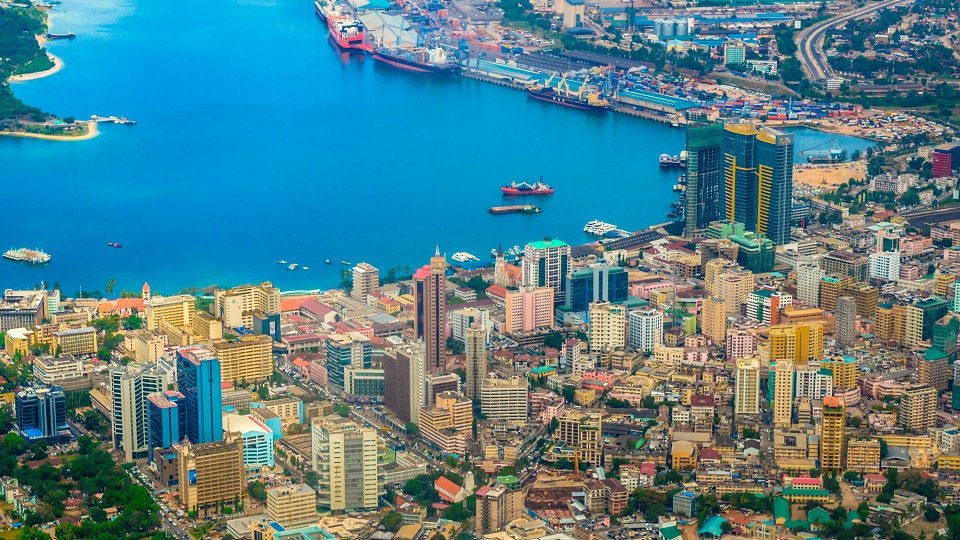
Private developers and governments across Africa are backing over two billion square metres of land reclamation and new city projects, costing over USD 514 billion, to cater to the region’s growing urban centres, according to Estate Intel’s Africa’s New Cities 2023 Factsheet. According to Estate Intel, North Africa has emerged as the leading region, accounting for 88% of planned new city developments across Africa, followed by West Africa at 5.5% and East Africa at 3%. This distribution has been attributed to increased government commitments to ensure quality living and infrastructure in the face of rising urban populations. Notably, regarding the top five countries in new city developments, Egypt emerged as the leading country, accounting for 33%, followed by Nigeria (17.9%), Mauritius (8.9%), Ghana (7.1%) and Kenya (5.4%).
Source: Daily News Egypt
ESG’s Role in Shaping Green Growth for African Trade and Investments
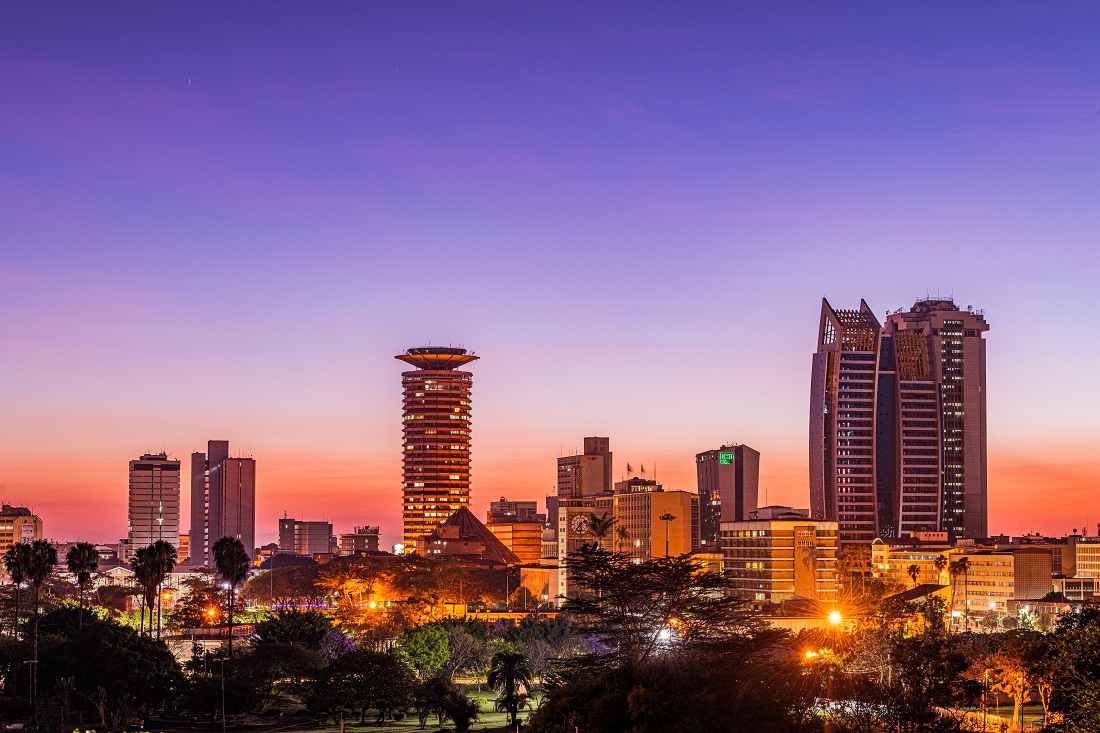
Amidst current trends on the African continent, there’s a notable surge in emphasis on sustainability. Many African nations are recognising its significance and putting Environmental, Social, and Governance (ESG) practices in their operations. Concurrently, governments are also taking decisive steps, enacting legislation and regulations to tackle pressing environmental challenges.
Potential of AI in Spurring Africa’s Economic Development

Artificial intelligence (AI) has emerged as a driving force behind the fourth industrial revolution, poised to transform sectors and industries worldwide while fostering inclusive growth and economic development. By applying machine learning to complex problems, AI has garnered significant interest and investment, with projections indicating a staggering USD 15.7 trillion contribution to global GDP by 2030, according to a PwC study. Out of this, USD 6.6 trillion is expected to come from increased productivity, while USD 9.1 trillion will be attributed to consumption effects.
Stories that Matter | July 2023
Africa
Africa50 Invests in Infrastructure Worth Over USD 6.6 Billion in Six Years
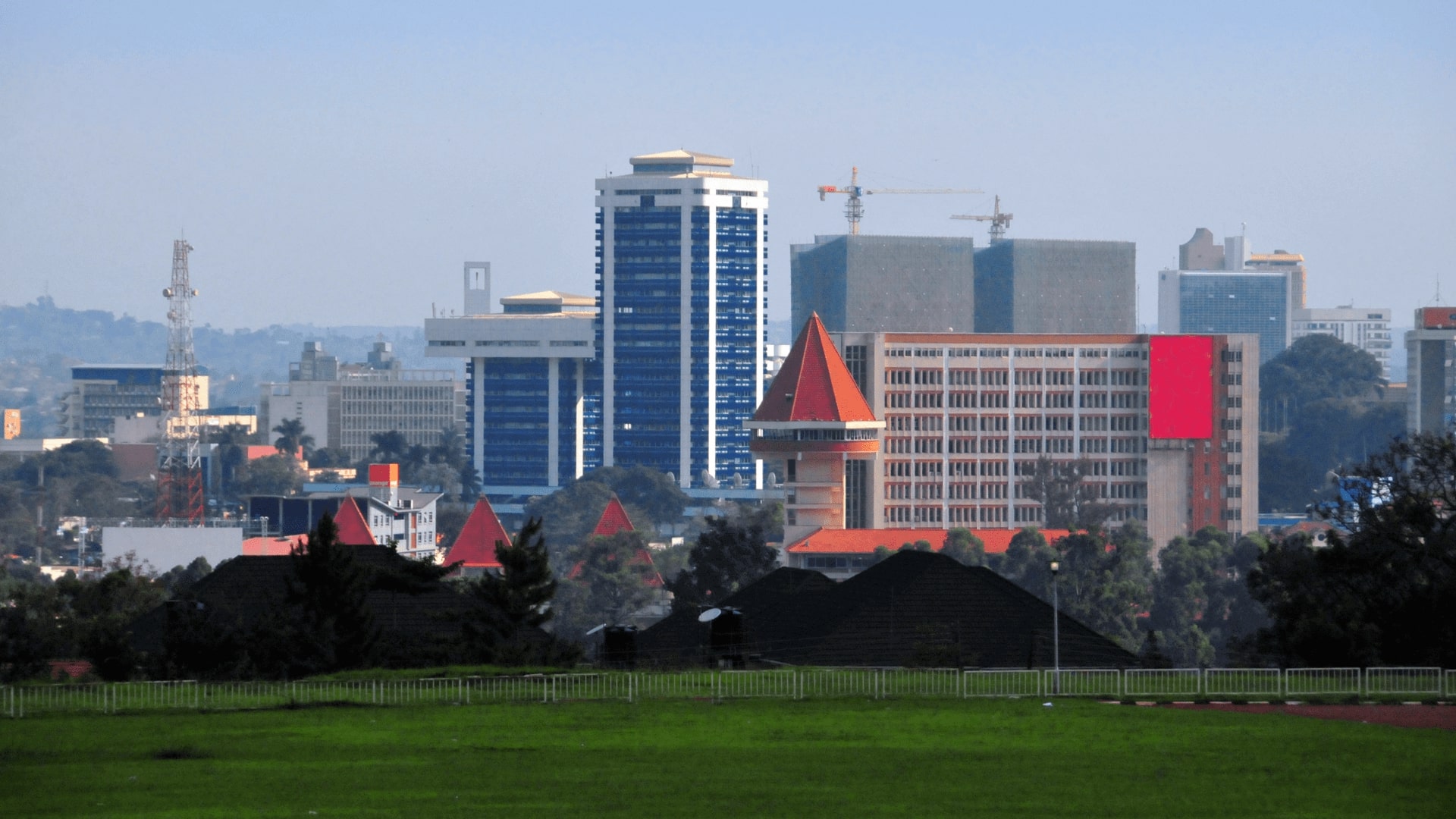
In just six years of operation, Africa50 has invested in critical infrastructure with a total value of more than USD 6.6 billion, African Development Bank (AfDB) Group president, Dr Akinwumi Adesina, said during the recent Africa50 Infra Forum and General Shareholders Meeting in Togo’s capital Lomé. The Togolese President Faure Gnassingbé attended the event. Africa50 is an investment platform established by African governments and the AfDB to mobilise financing for mega infrastructure projects with significant development impact. Adesina chairs the Africa50 board of directors. Prominent African and global institutional investors attending the meeting signed subscription agreements and letters of intent to commit funds to the USD 500 million African Infrastructure Acceleration Fund – the first private vehicle infrastructure platform launched by Africa50. The fund will catalyse further investment flows to develop critical infrastructure across the African continent.
Source: AfDB
State of Africa’s Energy Transition: Seizing Opportunities for Clean Energy Development
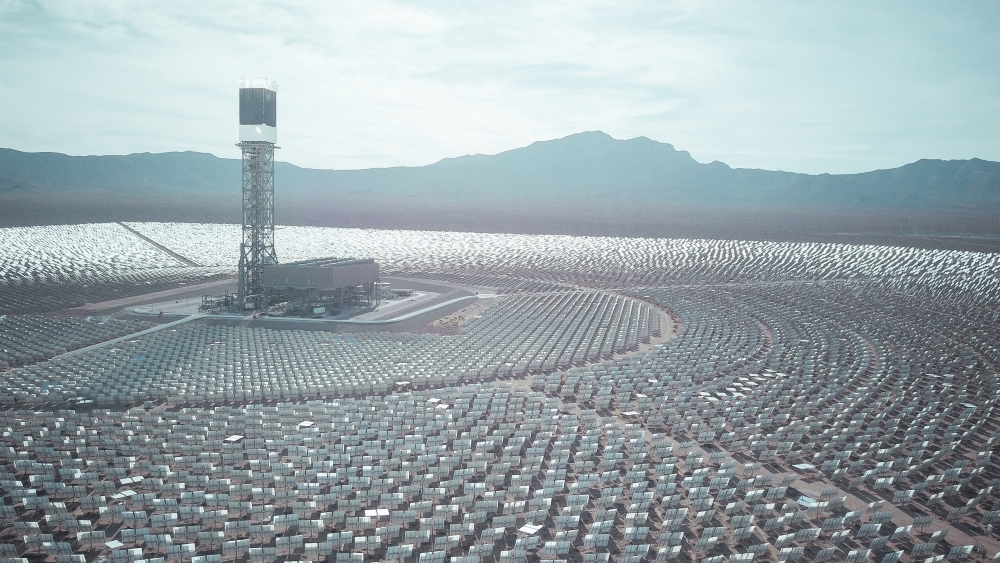
Africa’s rapid economic growth has created a surging demand for energy across key sectors, including mining, telecommunications, information technology, transport, logistics, and healthcare. As a result, the need for clean energy has witnessed exponential growth globally and regionally, with variations in demands across different regions.
Stories that Matter | June 2023

Africa
Africa’s Energy Investment Landscape Dominated by Renewable Projects
Renewable energy projects dominate Africa’s energy sector in number, with a total of 153 projects between 2020 and 2023. Overall, ongoing infrastructure projects totalling USD 353 billion in investments spanning 165 projects have been committed to. But weak legislative frameworks and the perception of a lack of projects are hampering more investment in Africa. Hendrik Malan, Africa CEO – Frost & Sullivan, South Africa, said no investor will be interested without longer-term power agreements. He was speaking on the closing day of Enlit Africa 2023, focusing on the topic, Tracking Project Development in Africa. “Africa is truly the last growth frontier and is of great interest to many companies we deal with. But they are concerned about value versus risk.” Despite the two main concerns, Malan said, “clearly, we have enough projects.” It is more a case of a “lack of fit” in terms of a potential investor’s risk and profit profile. “There are also certain parameters they have set up that create a mismatch.” Despite these challenges, Malan said that Africa is well placed to service the European markets due to the decarbonisation drive there.
Source: ESI Africa
The Growing Role of Private Equity and Venture Capital in Funding African Business
Private equity (PE) and venture capital (VC) are proving to be vital funding sources for businesses in Africa, offering capital to support their growth and expansion when commercial debt is unavailable or too expensive. Private equity firms typically invest in established businesses with a track record of generating revenue and profits, while venture capital investors will take early stage risk and support startups. These alternative sources of capital have become increasingly important, particularly during the COVID-19 pandemic and its aftermath, which has impacted traditional lending institutions and created a financing gap.
Tanzania’s Transformation Signals Great Opportunities for Investors and Businesses
Tanzania is a country with a wealth of untapped investment potential. A stable political climate, a young and rapidly growing population, and abundant natural resources well-position Tanzania for sustained economic growth. Its strategic location in East Africa makes it an ideal hub for trade and commerce. As a gateway to the broader region, it creates access to significant markets and opens even more potential investment opportunities.