The Future of Africa’s Cities: Planning for Growth, Resilience and Inclusion
Download PDF

Over the next 25 years, sub-Saharan Africa will add 748 million people to its cities, according to the World Bank’s Sub-Saharan Africa’s Urban Awakening. Much of the housing, transport and utility infrastructure those residents will need has not yet been built. Yet African cities raise property tax revenues equivalent to just 0.07 per cent of GDP, against 0.64 percent in Asia and 0.70 percent in Europe, according to UN-Habitat. How cities plan, regulate and finance the land beneath this growth will determine whether urbanisation drives competitiveness or deepens congestion, inequality and informality.
Africa’s urban population is projected to double from approximately 700 million to 1.4 billion by 2050, according to Africa’s Urbanisation Dynamics 2025, published by the OECD, African Development Bank, Cities Alliance and United Cities and Local Governments of Africa. The two estimates cover different geographies and define urban areas differently, but they point in the same direction. This growth will require substantial investment. It is also an opportunity to rethink how urban economies are organised and how the benefits of development are distributed.
We explore the trends shaping Africa’s urban future, from housing and infrastructure to climate resilience, digital transformation and the financing models needed to support sustainable growth.
Urbanisation as an Engine of Economic Growth
Cities drive economic growth by bringing together businesses, workers, consumers and infrastructure. Concentrated economic activity raises productivity, supports innovation and creates opportunities across sectors, including manufacturing, trade, technology and financial services. However, urbanisation alone does not guarantee these outcomes. Without adequate infrastructure, effective planning and access to essential services, rapid expansion can deepen congestion, inequality and informality.
The World Bank’s Sub-Saharan Africa’s Urban Awakening highlights the need to address infrastructure deficits, limited transport connectivity and fragmented urban development if cities are to realise their economic potential. It estimates that the region must create about 15 million jobs a year to keep pace with its growing workforce, and it draws attention to more than 15,000 towns that are often overlooked, recommending that investment be concentrated where firms can cluster and workers can reach jobs, particularly along transport corridors. Secondary cities such as Kumasi, Kisumu, Mombasa and Mwanza are where much of that growth will take place.
“Africa’s cities operate within diverse economic and regulatory environments, presenting different growth opportunities. Their ability to attract sustainable investment will depend on translating urban expansion into productive economic activity. This requires coordinated infrastructure investment, supportive regulatory frameworks and stronger connections between urban centres to facilitate regional trade and competitiveness.” – Foued Bourabiat – Partner, Algeria
The challenge is therefore not simply to accommodate more people, but to build urban economies that are productive, connected and capable of supporting long-term investment.
Housing, Real Estate and the Changing Urban Landscape
Housing will be one of the defining challenges of Africa’s urban transition. Population growth, migration and changing household structures are increasing demand for residential development, while affordability, access to serviced land and housing finance remain significant constraints.
UN-Habitat’s State of African Cities Report 2026: Harnessing the Value of Urban Land for Socioeconomic Transformation in African Cities estimates that the continent faces a housing backlog of at least 51 million units. It also identifies land costs as a major contributor to housing prices, accounting for nearly a third of total housing costs across African cities.
“Addressing Africa’s housing deficit requires more than increasing construction. Access to affordable land, infrastructure and financing, alongside predictable planning frameworks, will determine whether housing projects are viable and accessible. Governments should also create conditions that encourage private investment while ensuring new developments contribute to more inclusive and sustainable urban growth.” – Nicole Gichuhi – Partner, Kenya
The legal foundations matter as much as the building programme. Land administration, secure tenure, predictable planning frameworks and access to infrastructure determine whether projects can be financed at all. Approaches such as inclusionary zoning, developer obligations and land readjustment can help expand housing supply while ensuring that new development contributes to wider urban needs.
For investors and developers, these conditions create opportunities across affordable housing, mixed-use developments, construction materials and property finance. Unlocking them requires regulatory certainty, viable financing structures and collaboration between public authorities and private sector participants.
Infrastructure and Mobility: Connecting the Urban Economy
Infrastructure is fundamental to how cities function and compete. Reliable electricity, water and sanitation, efficient transport networks, drainage and waste management systems influence business productivity, investment decisions and quality of life.
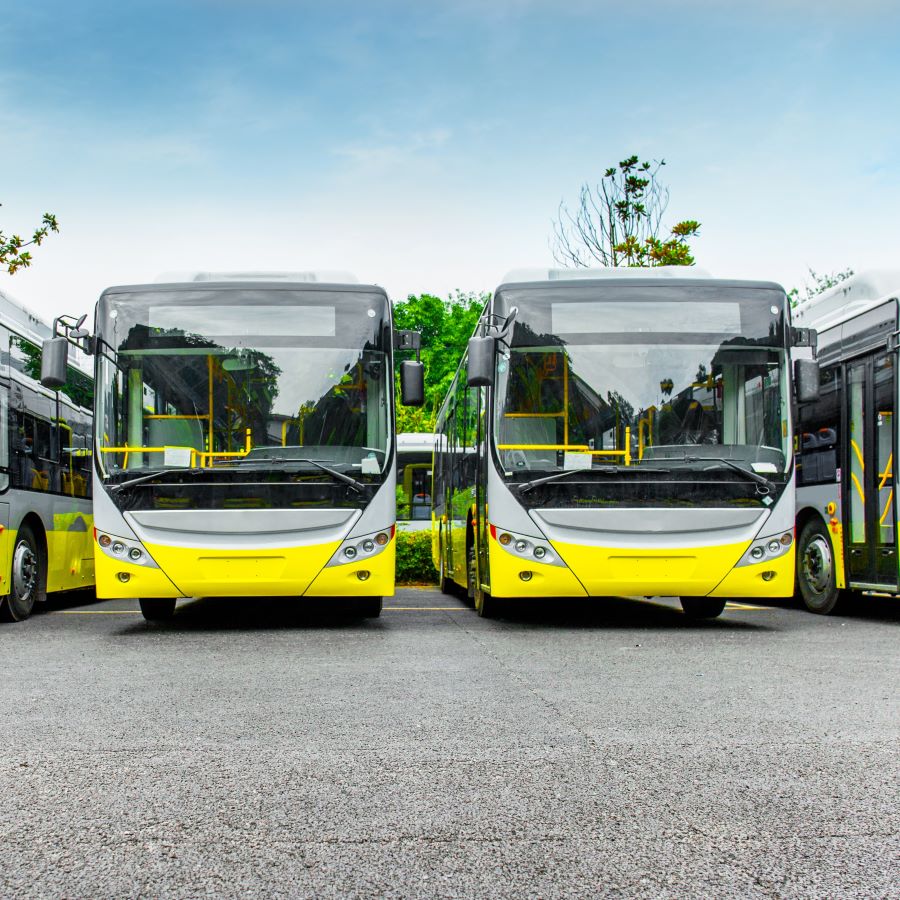
Transport infrastructure is particularly important as cities expand beyond their traditional centres. Poor connectivity increases commuting costs, restricts access to employment and markets, and raises the cost of moving goods. Investments in mass transit, integrated transport systems and transit-oriented development create more efficient urban environments. Dakar’s all-electric Bus Rapid Transit system, opened in 2024, runs 18.3 km with 23 stations and is designed to carry 300,000 passengers a day. It is operated under a concession whose risk allocation includes a minimum revenue and passenger guarantee, an example of how contract design can make urban transit bankable.
“Infrastructure deficits affect far more than the delivery of public services. They constrain business productivity and increase the cost of moving goods. Closing these gaps will require long-term investment and effective public-private collaboration. While partnerships can mobilise capital, their success depends on sound project planning, transparent procurement and regulatory certainty. Infrastructure investment should also align with land-use planning to support connected, efficient cities.” – Olujoke Aliu – Co-Managing Partner, Nigeria
Extending roads and utilities without a clear development framework can encourage fragmented expansion and increase the long-term cost of providing public services. Infrastructure planning must therefore anticipate where populations and economic activity are likely to grow.
Climate Resilience and Sustainable Urban Development
Climate change is adding another layer of complexity to urban planning. Flooding, extreme heat, water scarcity and coastal erosion threaten infrastructure, property and livelihoods, with low-income and informal communities often facing the greatest exposure.
The State of African Cities Report highlights the importance of public spaces in addressing these challenges. Across the cities examined, public space occupies an average of just 15 per cent of urban land, considerably below UN-Habitat’s 45–50 per cent benchmark. This shortage has implications beyond urban design: parks, green corridors, and accessible streets can help manage stormwater, reduce urban heat, and improve neighbourhood resilience.
The report also links climate adaptation to land-based finance. Investments in parks, green spaces and other public infrastructure can create value in surrounding areas. Appropriate land-based financing mechanisms can help cities capture part of that value and reinvest it in public improvements.
For businesses and investors, this creates opportunities in renewable energy, green buildings, resilient infrastructure, water management and waste services. Realising them will require clear policy frameworks, long-term financing and greater integration of climate considerations into urban development.
Smart Cities and the Digital Economy
Digital technologies are changing how cities deliver services, manage infrastructure and support economic activity. Mobile payments, digital public services, data analytics and geospatial technologies can improve access to services, strengthen urban planning and make municipal administration more efficient.
The State of African Cities Report identifies digital and geographic information systems as important tools for improving land administration, including property identification, valuation and tax collection. Better land information can help cities strengthen revenue systems while supporting more transparent planning and investment decisions.
The benefits of digital transformation will depend on reliable connectivity, digital skills, cybersecurity and affordable access. Technology must also be supported by institutional capacity and effective governance to improve how cities operate.
Financing and Governing the Cities of Tomorrow
The scale of Africa’s urban investment needs makes financing one of the most pressing challenges. UN-Habitat’s background paper for the report, African Cities at a Crossroads, estimates that Africa needs approximately USD 157 billion a year in urban public infrastructure, about 5.34 percent of regional GDP, before housing and slum upgrading are counted. Yet local governments in most African countries raise less than 5 per cent of total public revenue, leaving them with little capacity to finance infrastructure and essential services.
One opportunity lies in land-based finance: mechanisms that allow cities to capture part of the value generated through urban growth and public investment. These include property taxes, land leases, developer obligations and land readjustment. When appropriately designed, they can provide additional resources for infrastructure, housing and public spaces.
“Land offers African cities an important opportunity to strengthen municipal revenues and finance essential infrastructure. Realising this potential requires reliable land information, transparent valuation and effective revenue administration. Crucially, improved revenue collection must translate into visible public benefits, including better roads, drainage and public spaces.” – Mathias Ssekatawa – Partner, Uganda
The report illustrates the potential in Freetown, Sierra Leone, where property tax reform increased actual collections by fivefold. The additional revenue supported road repairs, street cleaning and waste management services. The experience demonstrates how improvements in municipal revenue systems can translate into visible public benefits.
However, such approaches must reflect local land tenure systems and institutional realities. They also require transparency, public participation and safeguards against displacement. Revenue mobilisation should be linked to better services and more inclusive development, rather than adding burden on vulnerable households.
Shaping Africa’s Urban Future
Africa’s cities are still being built, creating an opportunity to influence their development before inefficient patterns of urban expansion become entrenched. Decisions around land, housing, infrastructure, transport and technology will shape their competitiveness and liveability for generations.
For governments, the priority is to establish effective planning frameworks and institutions. For businesses and investors, urban expansion presents opportunities across real estate, infrastructure, energy, technology, logistics and financial services. The challenge is to connect these investments to the needs of growing urban populations.
With strategic planning, effective governance and investment in inclusive, resilient infrastructure, urbanisation can become one of the continent’s most important drivers of economic transformation. The opportunity is not simply to build bigger cities, but to create better-connected, more productive and more liveable urban centres.
Sources