
On 25 March 2026, the Central Bank of Nigeria (CBN) issued a circular to all Authorised Dealer Banks (ADBs) confirming that International Oil Companies (IOCs) operating in Nigeria are “hereby granted unfettered access to their repatriated export proceeds.” Under this directive, IOCs may repatriate 100% of their export proceeds through ADBs, subject to adequate documentation and the submission of monthly reports to the Director, Trade and Exchange Department. The circular, which took immediate effect, expressly supersedes all prior CBN circulars on cash pooling.
Insight type: Legal Alert
Whistleblower Protection Bill 2023: Potential Implications on Whistleblowing and Complaints Procedures in the Workplace

Kenya’s Parliament has considered a Whistleblower Protection Bill at least four times, in 2017, 2019, 2021 and most recently in 2023 (Whistleblower Protection Bill, Bill No. 56 of 2023), yet none has been enacted into law.
The repeated introduction of these Bills across successive Parliaments underscores how some consider this an issue even as comprehensive legislation remains elusive. While the latest Bill has seen limited traction since its second reading, its proposals remain relevant, and, in our view, organisations should not wait for enactment before acting
NUPRC Issues the Conversion and Renewal (Licences and Leases) Regulations 2026

The Nigerian Upstream Petroleum Regulatory Commission (“NUPRC”) has issued the Conversion and Renewal (Licences and Leases) Regulations, 2026 (the “2026 Regulations”) which repeals the Conversion and Renewal (Licenses and Leases) Regulations, 2022 (the “2022 Regulations”).
Temporary Reduction of VAT on Selected Petroleum Products

On 14 April 2026, the Cabinet Secretary for the National Treasury announced a temporary reduction of the VAT rate on selected petroleum products in Kenya, from the standard 16% to 8%, effective 15 April 2026 for a period of 90 days.
The measure targets three specific products, namely, motor spirit (gasoline) premium, illuminating kerosene, and gas oil (automotive, light, amber for high-speed engines), identified by their Harmonised System (HS) tariff codes.
NUPRC Issues Directive on Standardised Templates & Measurement-Based Methane, GHG Reporting
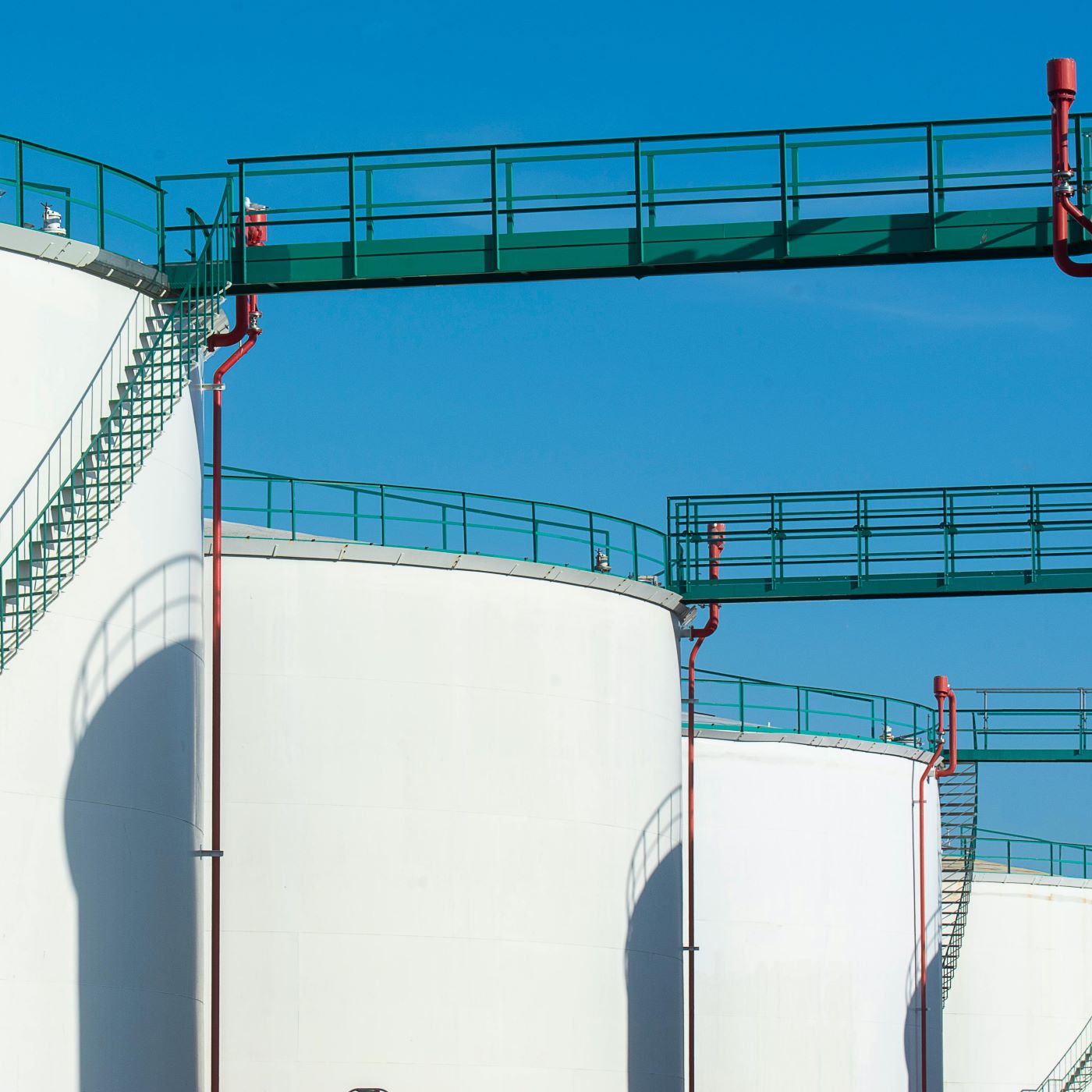
On 13 April 2026, the Nigerian Upstream Petroleum Regulatory Commission (NUPRC) issued a Directive requiring upstream operators to use standardised templates for greenhouse gas emissions management planning and reporting of methane/GHG accounting and inventory. The Directive marks a shift from policy-level
expectations to an auditable, evidence-driven compliance framework.
An Underutilised Using Order 41, Remedy Rule 4 to Discharge a Temporary Injunction

In this legal alert we analyse the High Court’s ruling on the use of Order 41 Rule 4 of the Civil Procedure Rules to discharge, vary, or set aside temporary injunctions. The alert highlights this underutilised remedy as a faster and more flexible alternative to appeals or reviews, focusing on whether an injunction should continue rather than whether it was correctly granted. Courts recognise grounds such as material non-disclosure, changed circumstances, or abuse of the order. It also clarifies that where injunctions are issued by registrars, applications for discharge must be made before a judge, reinforcing judicial oversight and equitable discretion.
Lagos State Approves 50 Year Lease Renewal for Ikoyi-Obalende Properties

The Lagos State Governor, Mr Babajide Sanwo-Olu, has approved a 50-year lease renewal for property owners within the Ikoyi-Obalende axis under the Obalende South-West Ikoyi Urban Regeneration Scheme.
Uganda High Court Clarifies Limits to FIA’s Account Freezing Powers Under AML Act

In this legal alert, we analyse the High Court’s ruling on the limits of the Financial Intelligence Authority’s (FIA) powers to freeze bank accounts under Uganda’s Anti-Money Laundering Act. The Court held that while the FIA may freeze accounts on suspicion of money laundering, it must rely on reasonable, demonstrable evidence and promptly seek judicial approval to continue the freeze.
It found the FIA acted illegally and procedurally improperly in maintaining a prolonged freeze without evidence or court sanction, emphasising the need for due process, proportionality, and timely judicial oversight to protect property and fair hearing rights.
Tanzania Ports Authority New Sea Ports Tariff Book 2026

Tanzania Ports Authority’s (TPA) January 2026 Sea Ports Tariff Book (prepared under section 73(1)(a) of the Ports Act, Cap. 166 R.E 2023, and stated in the tariff book to be published in Government Gazette No. 3 of 2026) replaces the prior sea ports tariff book issued in November 2023 and introduces a new regime of port charges that will increase clearance and landed costs for importers and exporters. A version of the tariff book is publicly available online.
CAF Appeal Board Overturns AFCON 2025 Final Result

The 17th March 2026 decision of the Confederation of African Football (CAF) Appeal Board to overturn the African Cup of Nations (AFCON) 2025 final result between Morocco and Senegal may rank among the most extraordinary decisions in African football history and could represent a global first, where the result of a completed major continental final was reversed after the trophy had already been awarded. While disciplinary sanctions are not uncommon in football, the nullification of a final result raises significant legal and sporting implications. It should be noted, however, that the detailed decisions of the CAF Disciplinary Board and Appeal Board are not yet public, and this analysis is based on available press statements.