
Foreign exchange markets are pivotal to the global economy, facilitating currency conversions that enable international trade, financial transactions, and investments. Africa’s foreign exchange (forex) landscape is a critical component of its economic framework, influencing both domestic stability and international trade. However, the continent faces unique challenges due to a complex mix of domestic politics and global market conditions governing its forex exchanges and respective currencies.
News type: Africa Bulletin
Monthly Newsletter shared via email. Every Last Thursday of the Month.
Stories That Matter | June 2024

Africa
USD 5 Billion Deal Signed for Establishment of Africa Energy Bank
African Export-Import Bank (Afreximbank) and the Africa Petroleum Producers’ Organisation (APPO) recently made history by signing the Establishment Agreement and the Charter of the Africa Energy Bank (AEB). The AEB is designed as an independent and supranational pan-African energy development bank, starting with an initial capital of USD 5 billion. This milestone concludes two years of negotiations and preparations since the signing of a Memorandum of Understanding in May 2022, aiming to establish the AEB.
The AEB’s primary objective is to address the imminent void caused by the withdrawal of funding for oil and gas projects in Africa by traditional financiers. With over 125 billion barrels of proven crude oil reserves and over 600 trillion cubic feet of proven gas reserves, Africa needs to tap into these resources to produce energy as it currently has the largest proportion of the world’s population living without access to modern energy. While the AEB’s focus will be on funding oil and gas projects, it remains open to renewable energy initiatives. The AEB aims to harness all forms of energy to eradicate Africa’s energy poverty. Although initiated by Africa, shareholding is open to all investors who align with the mission and vision of the Bank.
Source: Afreximbank
Green Energy in Africa: Exploring Pathways for a Sustainable Energy Transition

With its rapidly growing population, Africa is poised to double by 2050, reaching over two billion people. This surge in population will be met by the demand for cost-efficient and reliable energy, a crucial factor in powering the continent’s socioeconomic development. To meet this energy demand sustainably, Africa must harness its abundant renewable energy resources, which not only bridge the energy gap but also pave the way for the continent to achieve its climate goals, inspiring a future of sustainable development.
Stories that Matter | May 2024

World
Private Sector Pumps USD 86 Billion into Infrastructure in Low – to Middle-Income Nations
New World Bank data finds that private infrastructure investment in low- and middle-income countries totalled USD 86 billion in 2023. Investments declined 5 percent compared with 2022. However, they were on par with the previous five-year average. Despite the decline in total investment, more countries received private investments in infrastructure across a wider sample of projects. In 2023, 68 countries received investments across 322 projects, compared to 54 countries and 260 projects in 2022. Guinea-Bissau, Libya, Papua New Guinea, São Tomé and Príncipe, and Suriname achieved their first private participation in infrastructure (PPI) transactions in over a decade.
The PPI report dates back to 1984. It continuously tracks investments in 10,000 infrastructure projects in low- and middle-income countries. As infrastructure financing becomes a bigger priority for countries around the globe, this dataset is an important resource for tracking progress and identifying trends. PPIs declined in most regions in 2023 except for the Middle East, North Africa (MENA), East Asia, and the Pacific (EAP). MENA continued its growth trajectory, with PPI investment levels almost doubling from USD 1.4 billion in 2022 to USD 2.9 billion in 2023.
Source: World Bank
Building Africa’s Future: Shaping Growth Opportunities for Real Estate Investment
Africa’s population growth continues to soar, and it is expected to reach approximately 2.5 billion by 2050, according to the United Nations, meaning the continent will be home to 25 percent of the global population.
Stories that Matter | April 2024
Africa
World Bank Project to Connect 300 Million Africans to Electricity by 2030
The World Bank Group in partnership with the African Development Bank (AfDB) are aiming to provide at least 300 million people in Africa with access to electricity by 2030. The Washington DC-based institution will work to connect 250 million people to electricity through renewable energy systems while the AfDB will support 50 million people, but the project will require substantial investment.
It is estimated that USD 30 billion of public sector investment will be needed to carry out the ambitious project. The International Development Association (IDA), a branch of the World Bank that provides low-income developing countries with funding, is set to provide USD 20 billion for the project, with the remaining USD 10 billion expected to come from other public money. The World Bank is also hoping that the private sector will contribute to funding efforts. Furthermore, the Bank insists that African governments will need to put in place policies that attract private investment, and reform their utilities.
Source: African Business
State of Africa’s Fintech: Reshaping Financial Inclusion for Sustainable Economic Growth
The growth of financial technology (Fintech) in Africa continues to be revolutionary in how businesses and individuals make payments, access credit, and manage their money. Most significantly, fintech has been instrumental in promoting financial inclusion, especially due to the lack of the effectiveness of, overload on and limited number of traditional banking systems, leading to significant financial sector gaps. The advent of mobile money solutions and digital payment platforms has democratised access to financial instruments, providing millions of Africans with access to payments and lending services. Innovation and market needs are also critical in providing solutions to clients at all levels.
Stories that Matter | March 2024
East Africa
Region Looks to Tanzania’s Mega Project to Plug Regional Electricity Gap
East Africa’s electricity supply is set for a boost once the Julius Nyerere Hydropower Project goes online. At the 16th meeting of the Sectoral Council of Ministers on Energy recently held in Arusha, the ministers said the 2,115MW, USD 2.9 billion project across the Rufiji River will be a game-changer in the region. The project is part of Tanzania’s power master plan that aims to interconnect the Tanzania, Kenya, Uganda and Zambia grids. “Energy plays a critical role in industrial development and investment promotion…and this project is a milestone that will reduce the deficit of electricity not only in Tanzania but in the entire region,” said Shaib Hassan Kaduara, Minister of Water, Energy and Minerals of Zanzibar.
According to the International Energy Agency, more than 800 million people – 11 percent of the world’s population – live without reliable electricity. Some 600 million live in Sub-Saharan Africa, and about 82 million live in Kenya, Tanzania, and Uganda. At the sectoral meeting, partner states reported that investments in wind and solar energy infrastructure were also underway, from Burundi’s solar mini-grids to Kenya’s wind and solar projects aimed at increasing renewable energy contributions to the national grids.
Source: The East African
Unlocking Africa’s Project Finance: Opportunities and Strategies for Sustainable Growth
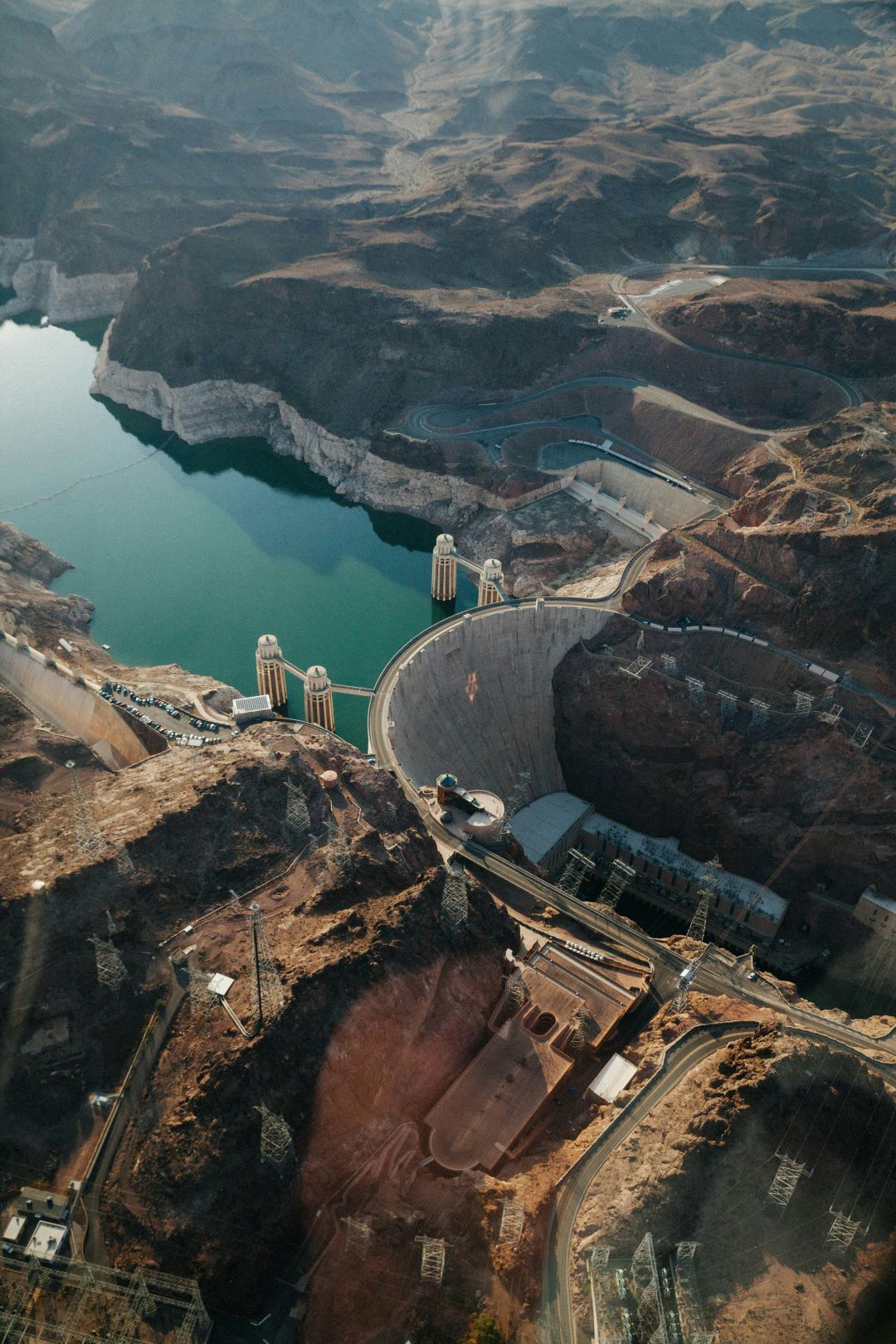
Africa’s diverse economies and rapidly growing industries present a dual landscape of opportunities and challenges for project finance. The continent’s economic growth hinges significantly on robust infrastructure, affecting various sectors and reducing the cost of doing business. As Africa expands, the demand for strategic infrastructural projects to foster regional integration and diversify economies intensifies, particularly in energy and infrastructure sectors rich in natural resources.
Stories that Matter | February 2024
Africa
Africa, Italy Announce USD 6 Billion Plan to Strengthen Partnership
The government of Italy recently unveiled a USD 6 billion plan to support African development at the Italy-Africa summit in Rome. The summit – which took place as Italy assumes the Presidency of the G7 this month and a few weeks ahead of the 37th Ordinary Assembly of the African Union in Addis Ababa – was one at which Italian Prime Minister Georgia Meloni called for a new Italian partnership with Africa.
Meloni said: “We believe it is possible to envision and write a new chapter in the history of our relationship, cooperation among equals, far from any predatory imposition or charitable stance towards Africa. Italy is naturally inclined to be a bridge between Africa and Europe. The whole world cannot think about the future without Africa.” The Italian leader announced various initiatives to bolster economic links and create an energy hub for Europe while curbing African emigration to Europe. They included an initial pledge of USD 5.95 billion, including guarantees.
Source: AfDB