
Kenya is widely recognised for having one of the most advanced and diversified energy sectors in Sub-Saharan Africa, particularly in renewable energy. Since opening its electricity market to Independent Power Producers (IPPs) in the mid-1990s, the country has attracted significant private sector investment. This public-private model has helped expand energy infrastructure and improve access in urban and rural areas.
Insight type: Brochure
Uganda Projects & Infrastructure Power Guide 2025
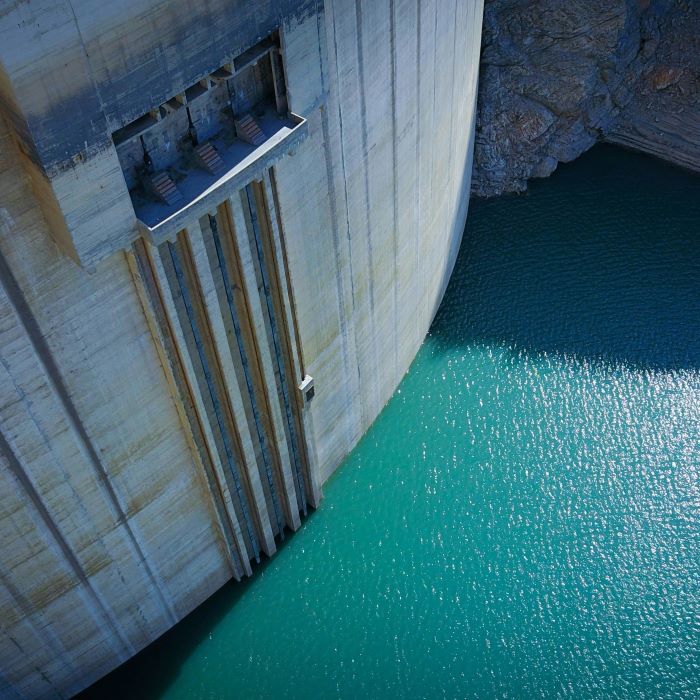
Uganda continues to experience rapid population and economic growth, driving a significant increase in its energy demand. According to the Electricity Regulatory Authority (ERA), as of September 2024, the country’s installed electricity generation capacity stood at 2,048 megawatts (MW), while peak demand was estimated at 987.8 MW, resulting in a surplus of 1,060.2 MW.
Nigeria Projects & Infrastructure Power Guide 2025
Nigeria’s energy landscape is marked by vast potential and persistent challenges. As one of Africa’s largest oil producers and holder of the continent’s largest natural gas reserves, the country has long relied on hydrocarbons as a backbone of its economy.
Zambia Projects & Infrastructure Power Guide 2025
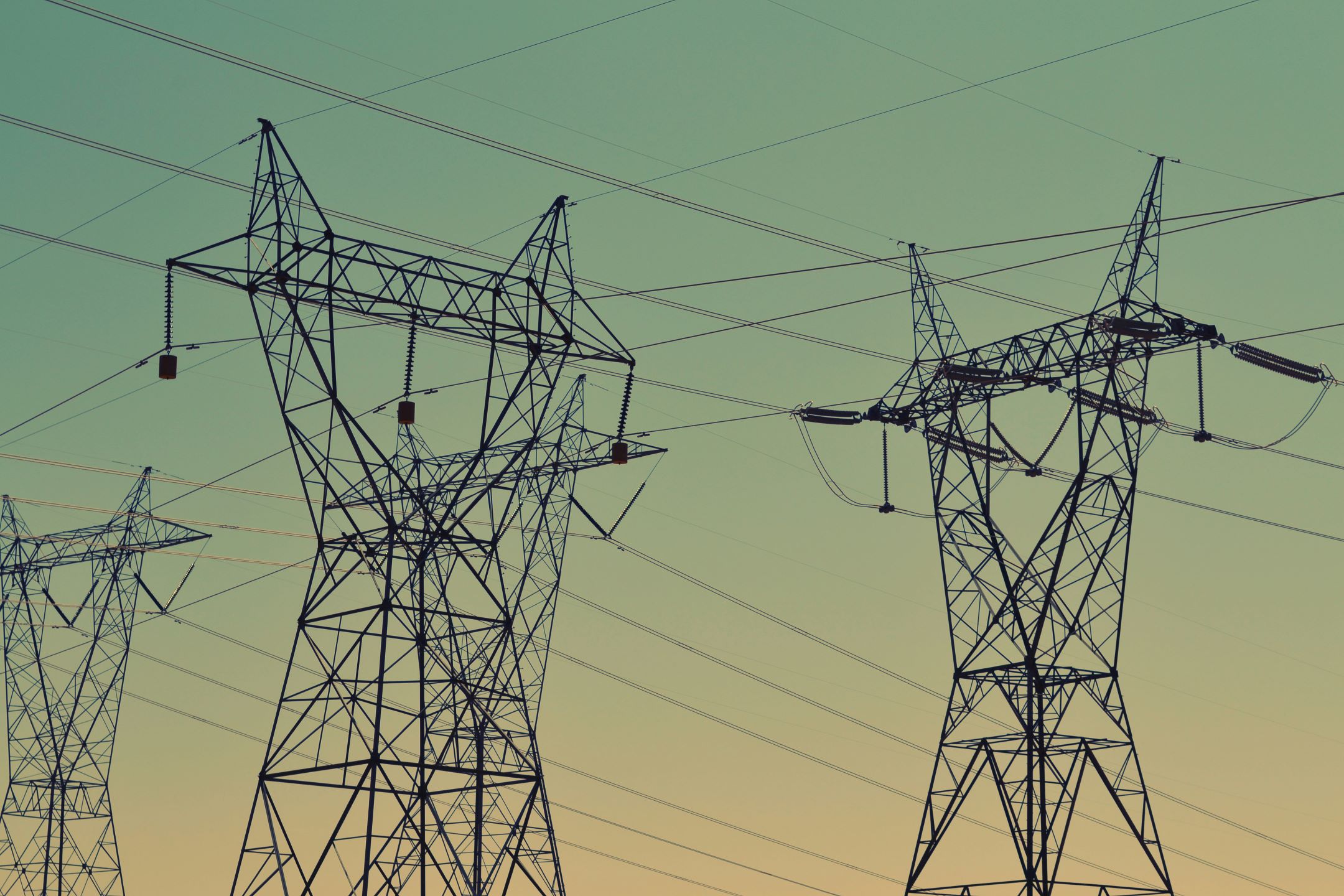
Zambia’s energy sector has traditionally drawn power from its abundant hydropower resources, which supply up to 90% of the country’s electricity. This reliance once enabled power exports to neighbouring countries and supported economic growth. However, growing climate variability has highlighted the need to diversify the energy mix to ensure long-term reliability and resilience.
Tanzania Power Guide
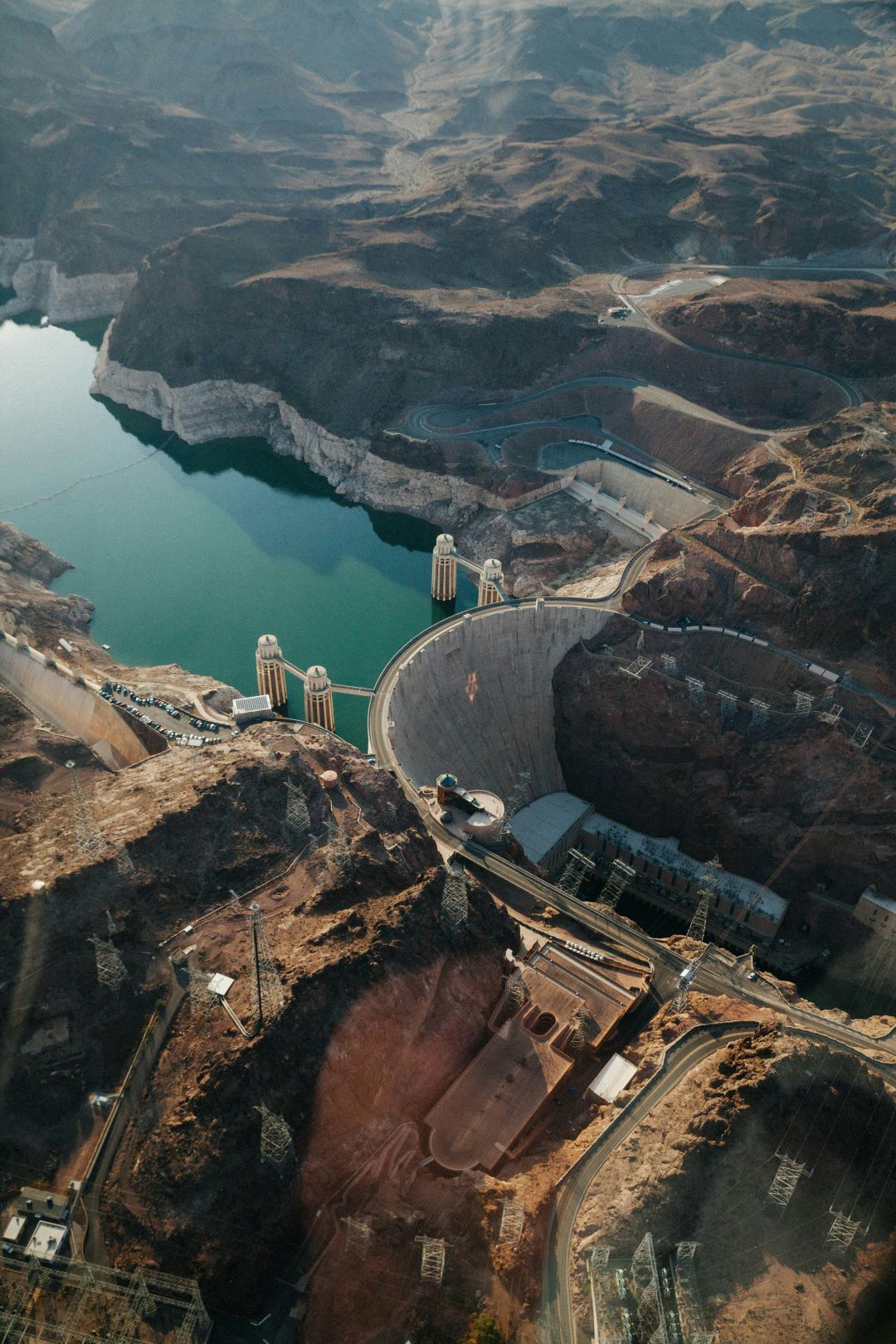
Tanzania has diverse energy sources including biomass, natural gas, hydro, coal, geothermal, solar and wind power and uranium, much of which is untapped. Hydropower is a significant electricity source, providing around 35% of total generation. The country’s development of natural gas reserves and infrastructure for LNG export and domestic use, along with gas-fired power plants shows great promise.
Ethiopia Power Guide
The potential of Ethiopia’s renewable and non-renewable energy resources is large, with the economically feasible hydropower potential estimated at 45,000 MW leading to approximately 90% of Ethiopia’s electricity being produced through hydropower.
Kenya Power Guide

Kenya has been hailed for having one of the most developed energy sectors in Sub-Saharan Africa more so in green energy. The country opened its market to Independent Power Producers in the mid-1990s. Private companies are allowed to generate electricity, which they sell to government-controlled entities for transmission and distribution or use toward rural electrification in mostly off-grid areas.
Projects and Infrastructure Nigeria Power Guide

Nigeria’s energy and natural resources industry is central to the economy. With a rapidly expanding population, the country is also turning to renewable energy to bring power to its urban and rural communities and to diversify its energy sources. The country is investing in electricity, solar power projects and hydropower, as the demand for energy by 2020 will almost double from current levels. Nigerian and international companies are seeking to capitalise on its rich natural resources and expanding business opportunities.
Projects and Infrastructure Uganda Power Guide

Uganda has a rapidly growing population and economy. With this growth, its energy needs have risen sharply in the last decade. The Electricity Regulatory Authority (ERA) estimates that as of December 2022, installed electricity capacity in Uganda was 1,402 megawatts (MW) with demand at 843 MW, leaving a surplus of 559 MW. Uganda’s largest hydropower project, the 600 MW Karuma Hydro Power Dam is expected to come fully operational in 2024.